16 Days
Challenging
5,320m
12NTS Hotels & Teahouses | 3NTS Camping
11 Days
Dolpo

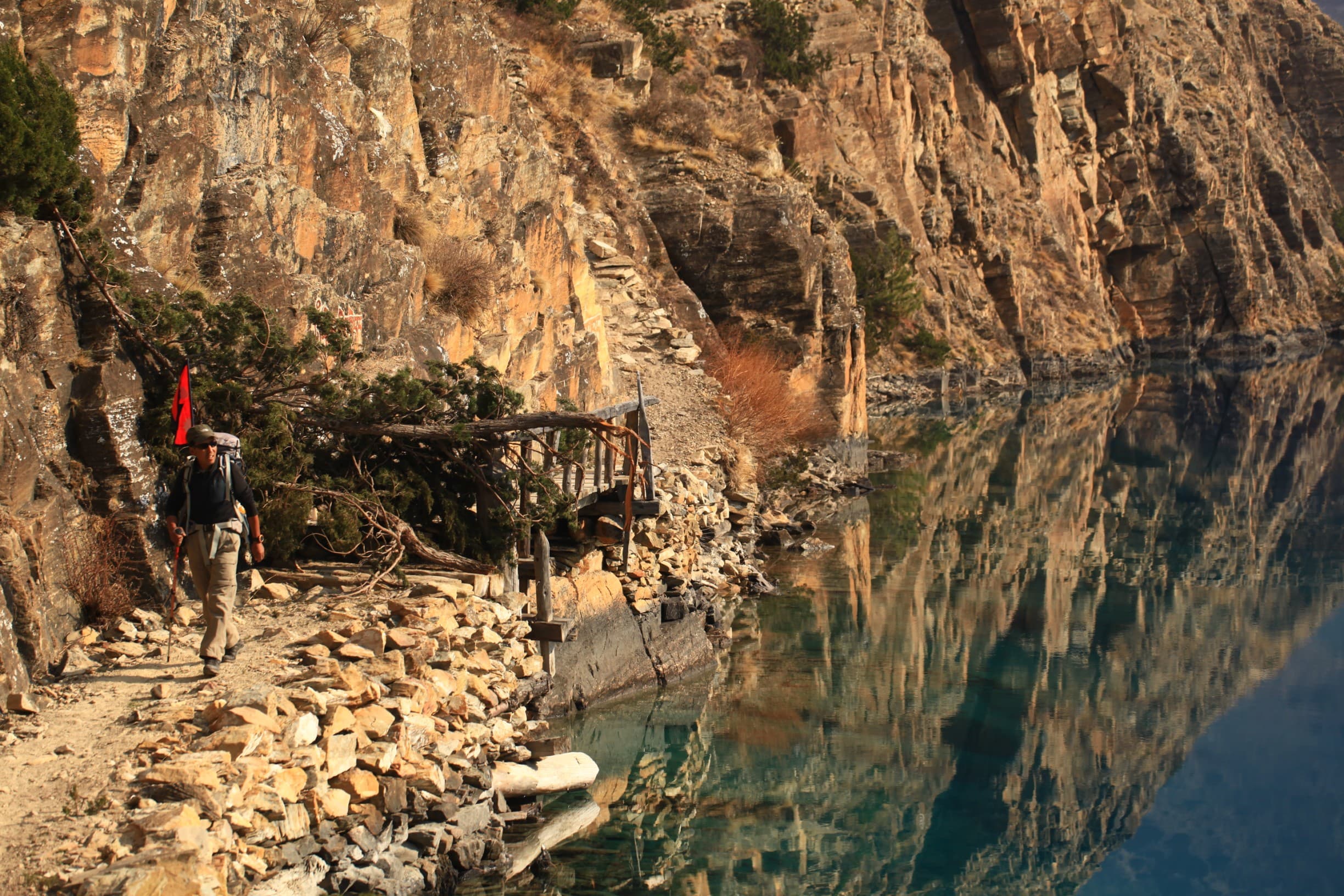
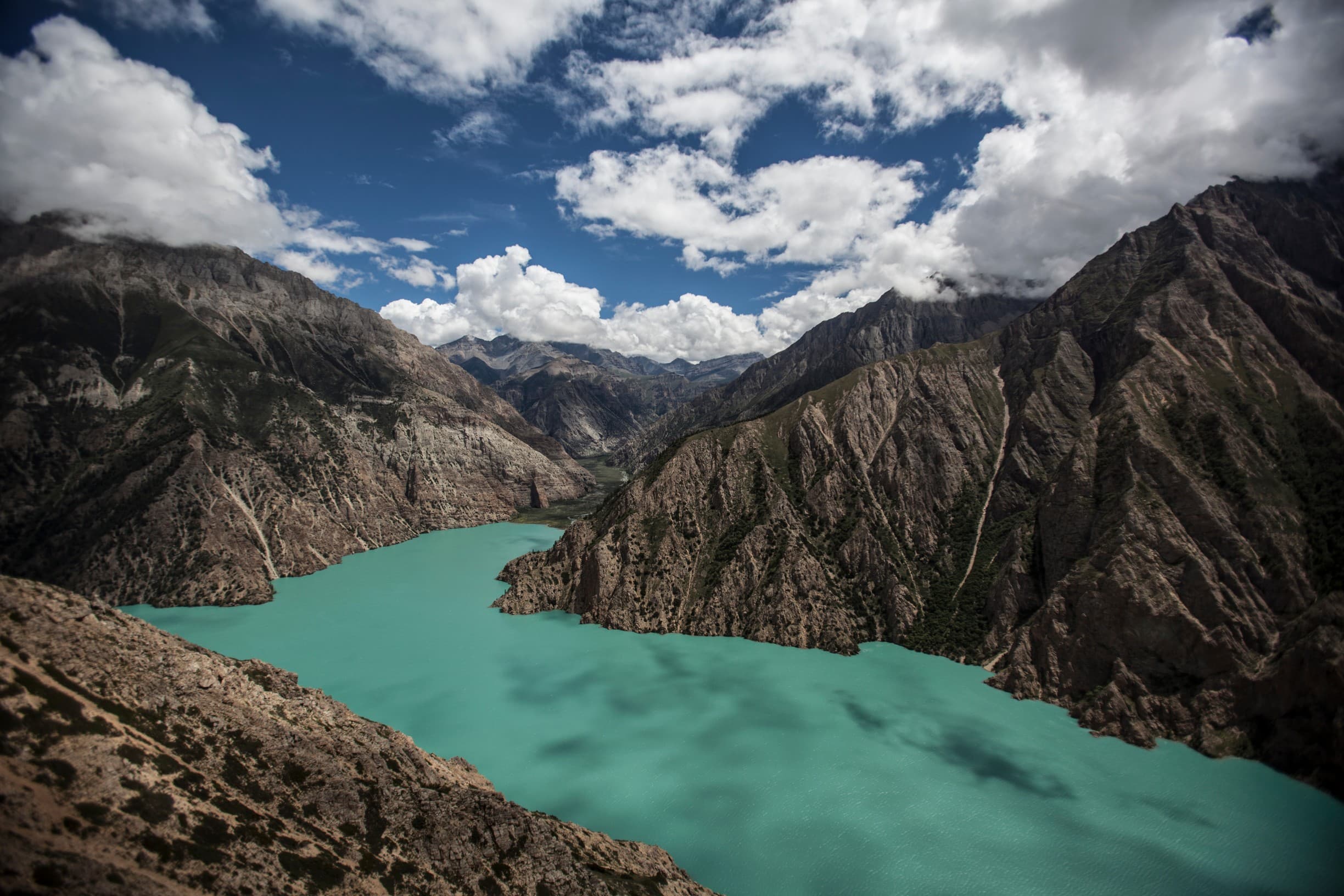
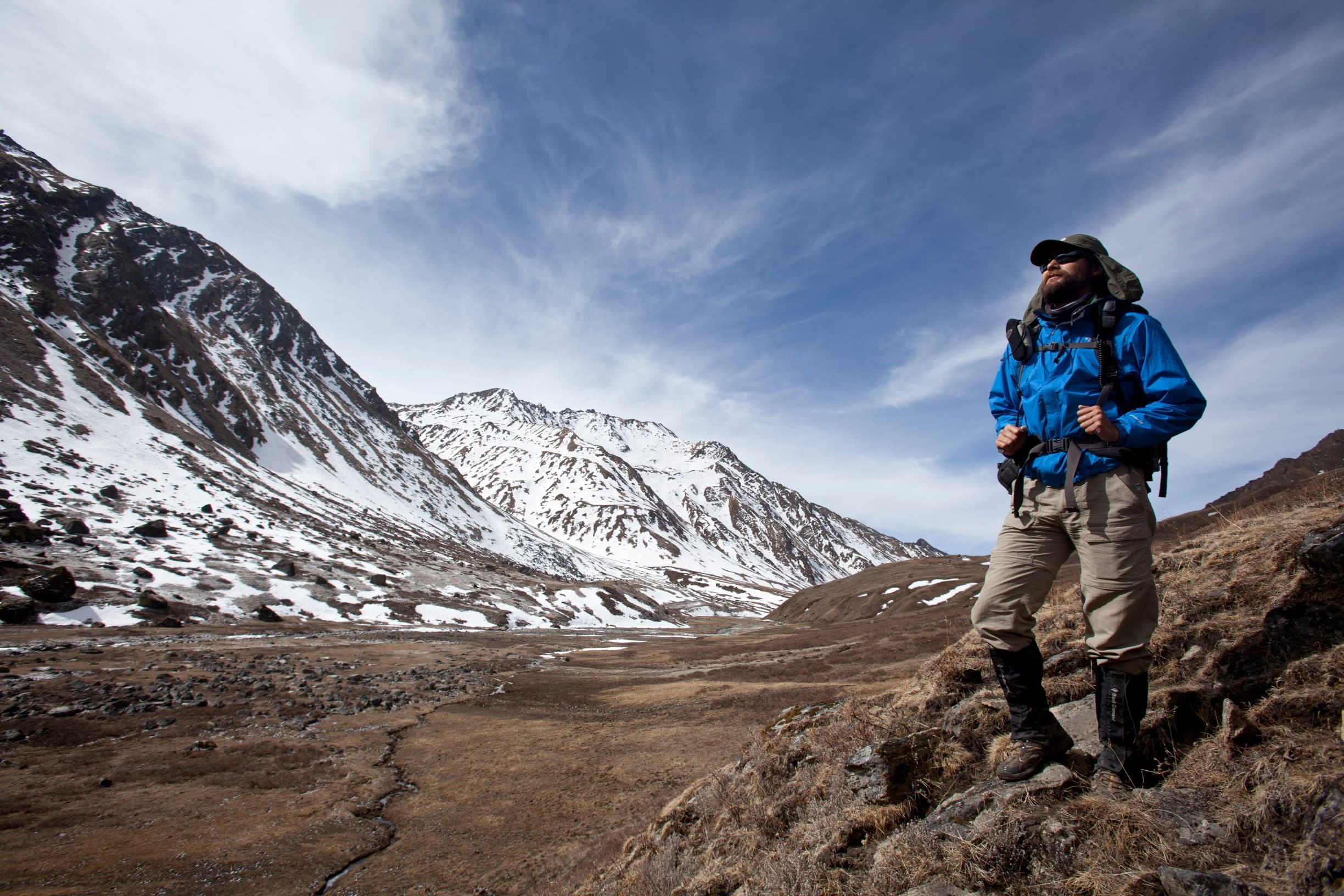
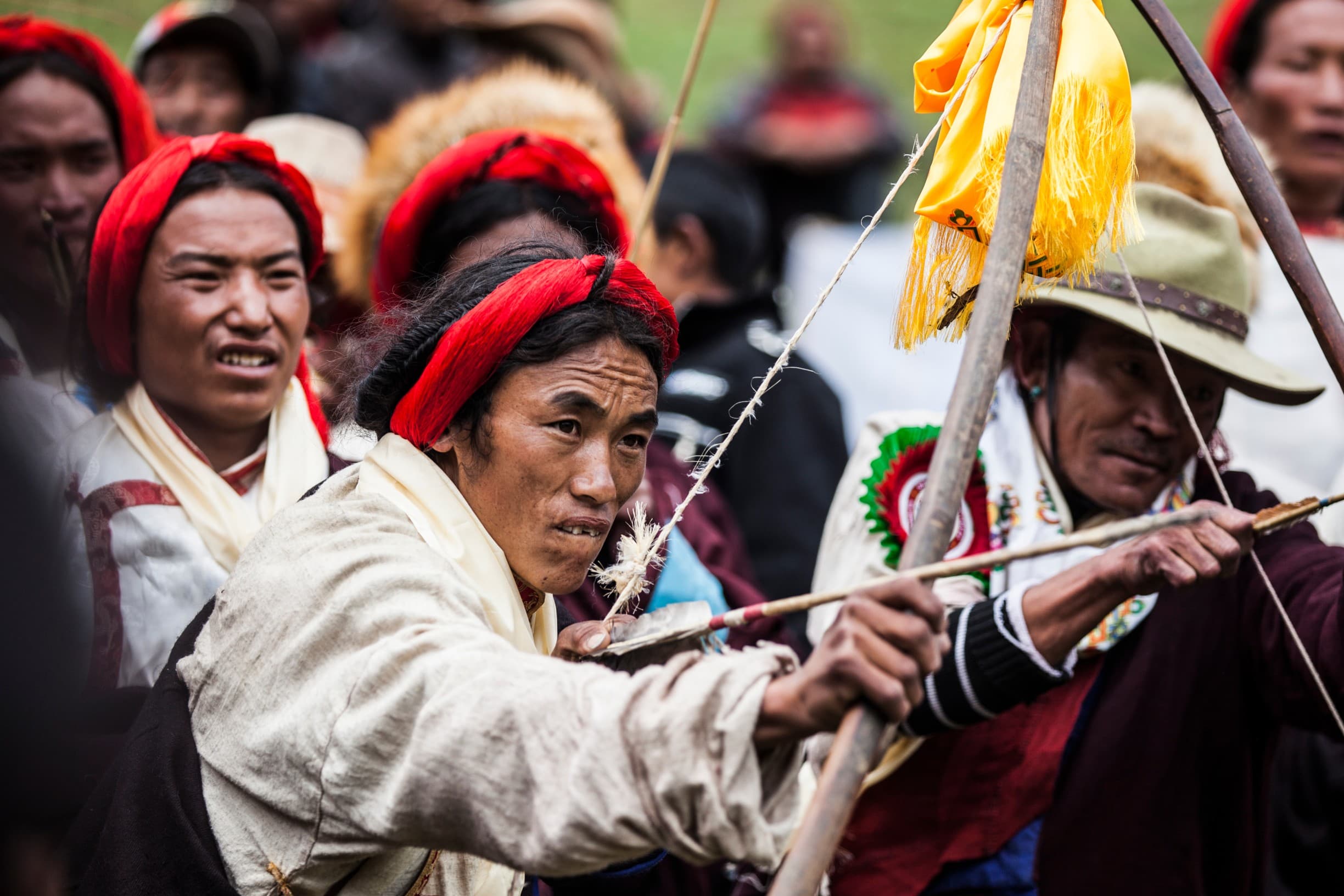
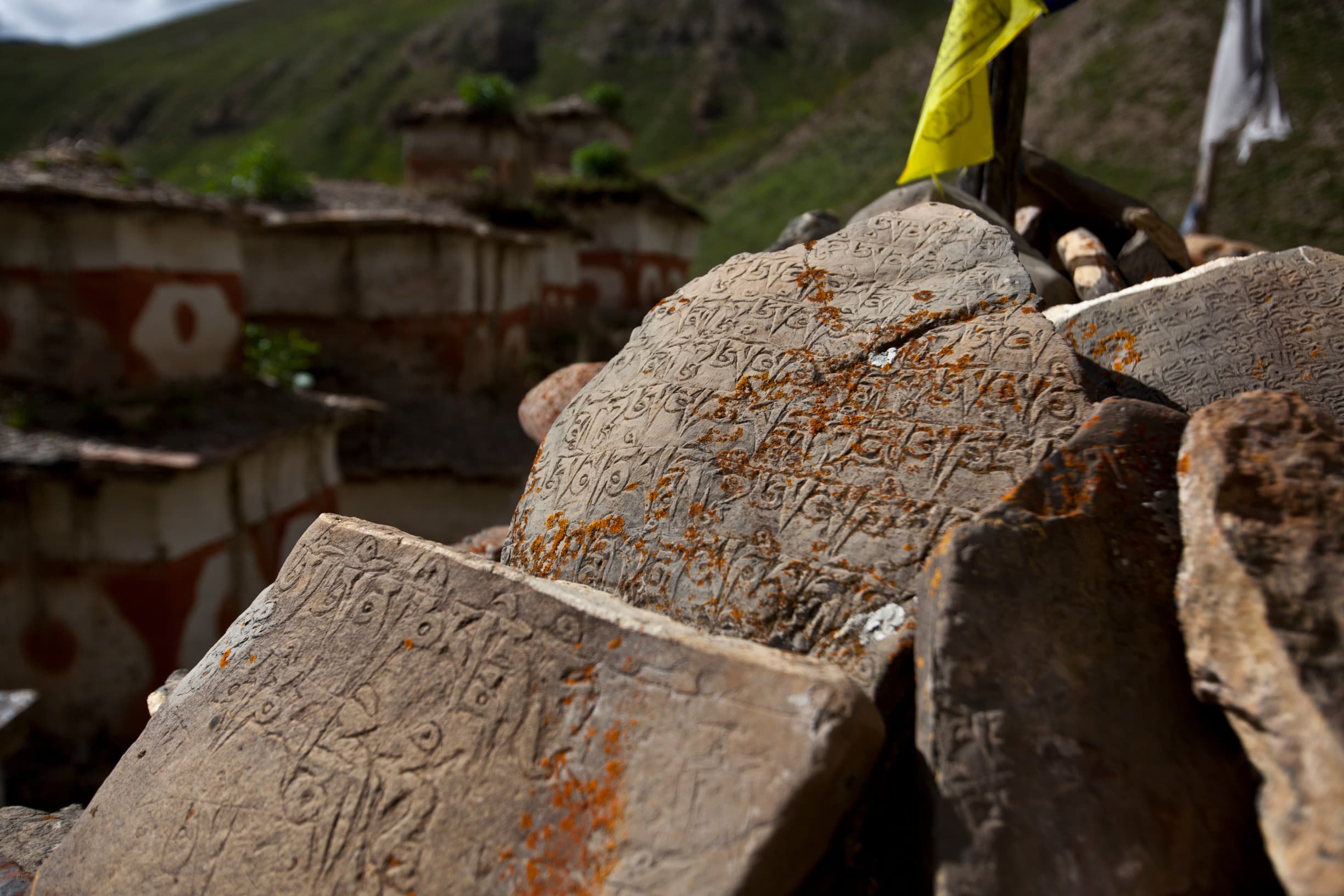
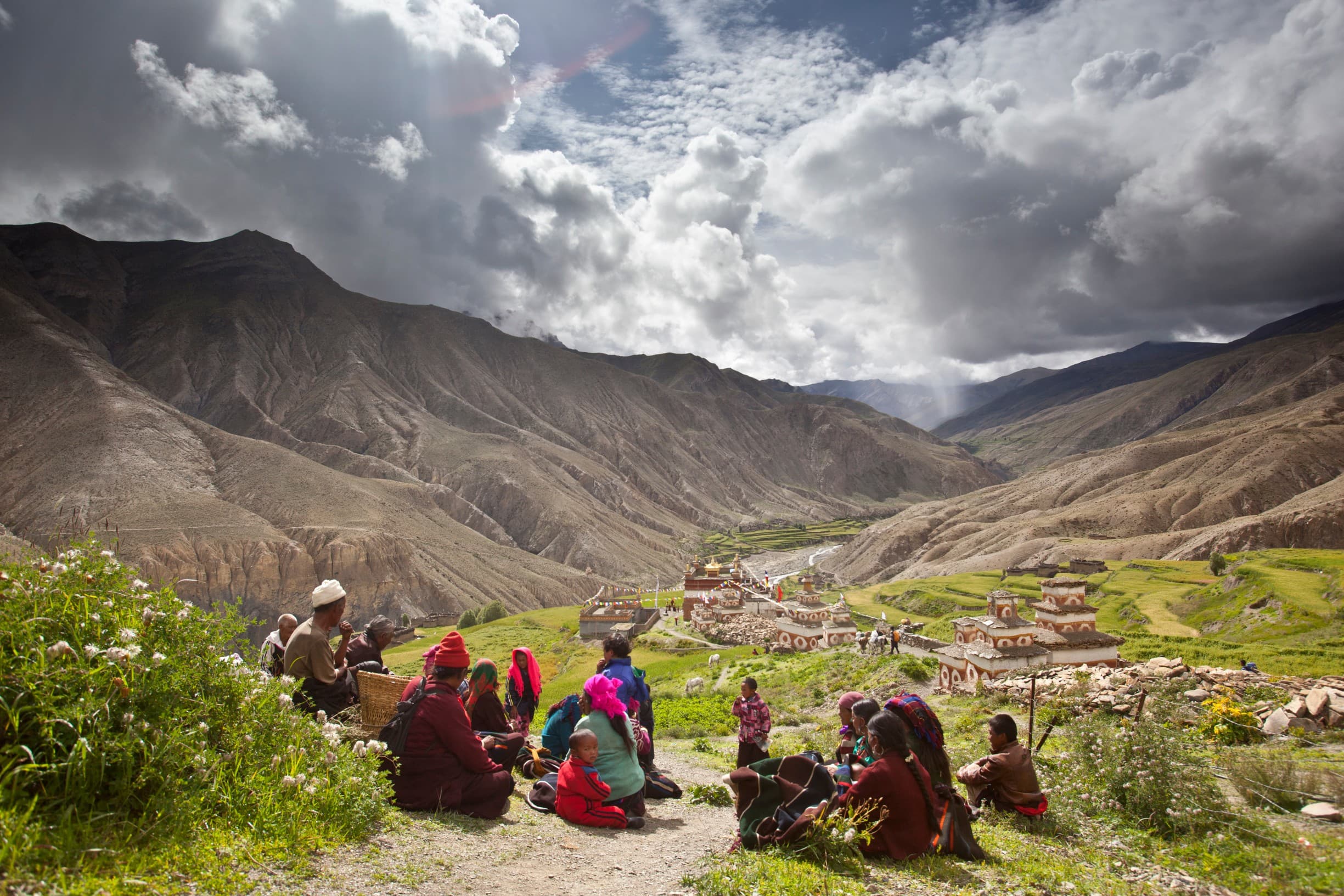
Most trekkers who make it as far as Dolpo stop at Phoksundo Lake and call it a journey well made. The Lower Dolpo Trek asks a little more of you — days threading up the Thuli Bheri valley to Dho Tarap, then two demanding high passes before the lake comes into view at all. This is the stretch where the trip earns its reputation: Alpine-like valleys, Bon-po villages untouched by any real tourist trail, and two 5,000m+ crossings that reward the effort with some of the widest views in the Himalaya. Here's how the journey from Juphal to Yak Kharka actually unfolds.
Please Note: This is a suggested itinerary which can be tailored to suit you.
The Lower Dolpo Trek isn't the easiest way to reach Phoksundo Lake, but for the right traveller, that's precisely the point:
Pipal Marg, Bansbari Kathmandu, Nepal.
+977-9841612787
info@rural-heritage.com


It's a demanding, high-altitude route with two passes above 5,000m. Trekking days run 3-8 hours, with camping required for three nights and one dedicated acclimatisation day at Dho Tarap.
Yes, you'll need a Lower Dolpo Restricted Area Permit as well as a Shey Phoksundo National Park entry fee, both arranged through us.
Late spring (March-April) and early autumn (September-November) generally offer the clearest, safest conditions. Spring snow can make both passes more technical, so timing and a flexible schedule both matter.
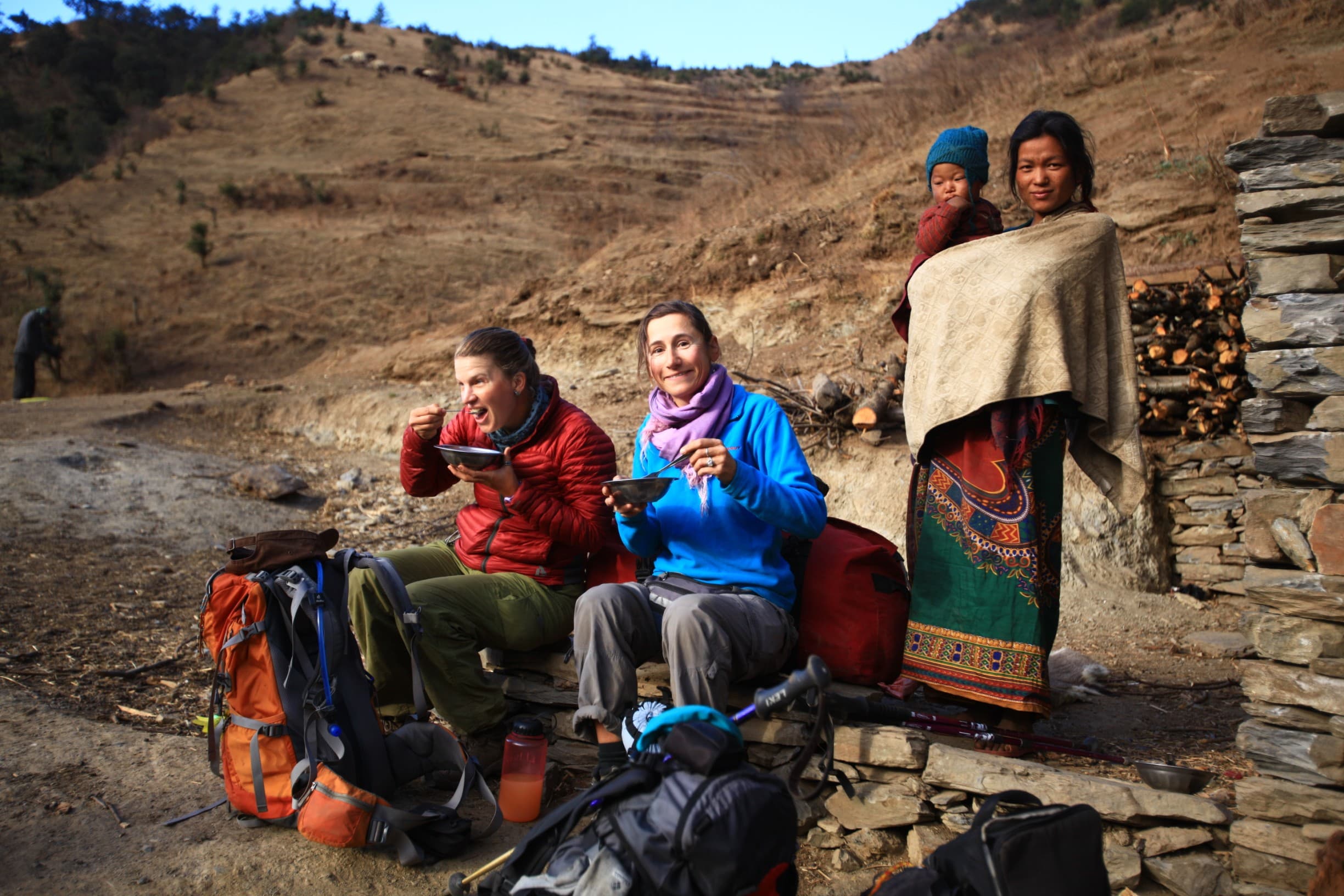
Yes, some nights along this stretch, Laina Odar, Nawarpani, Numa La Basecamp, Danigar, and Yak Kharka — are camping stops rather than teahouses, reflecting how remote this part of the route is.
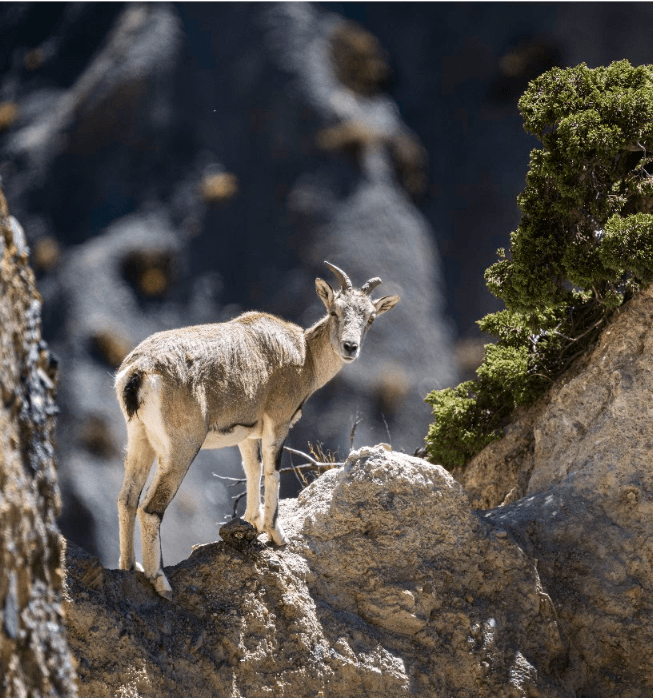
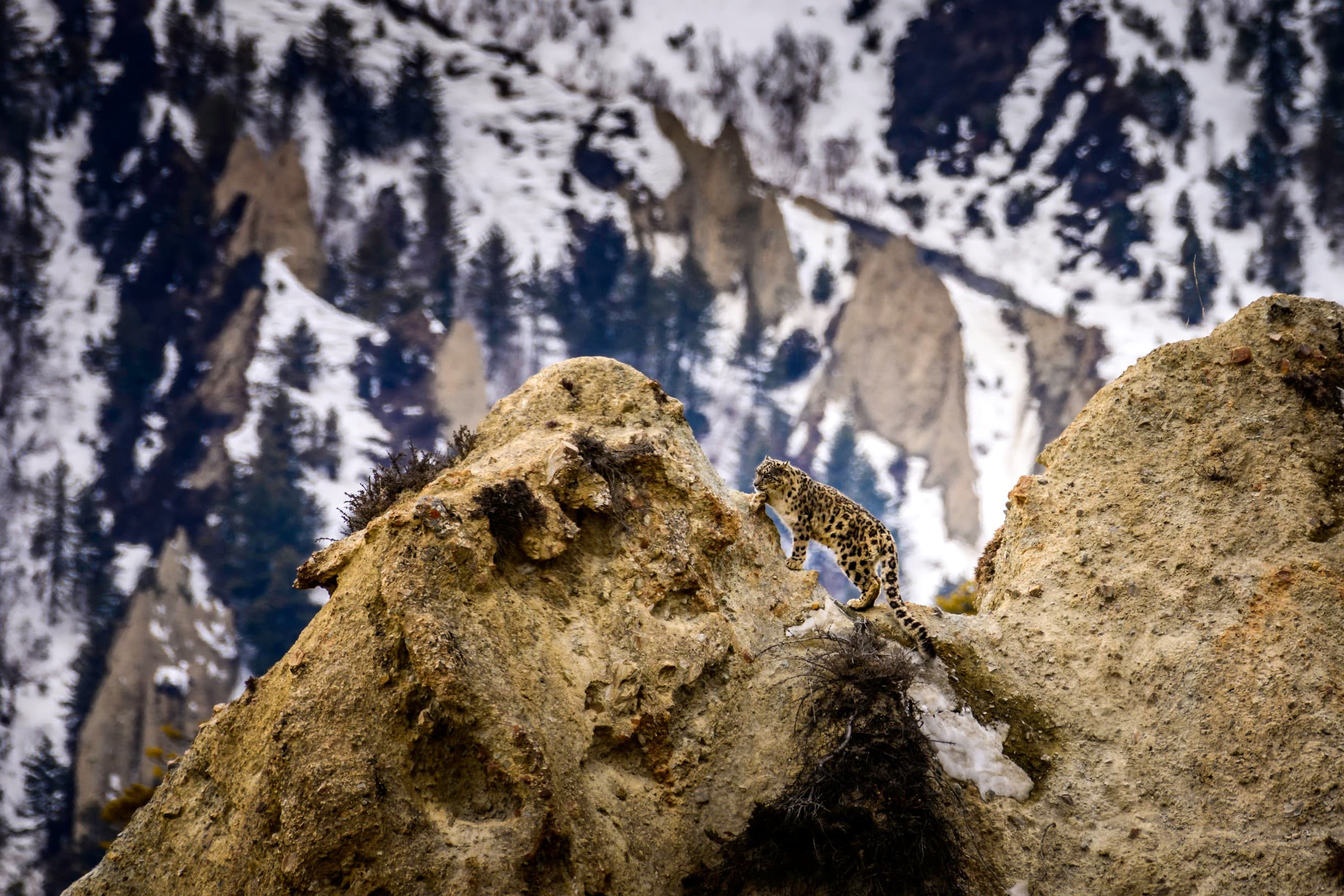
While rare it is possible. As a shy animal snow leopards are very good at camouflaging themselves which is why it requires a sharp eye and luck. Blue sheep sightings are far more common on the approach to Dho Tarap.
From Juphal's rice terraces to the thin air of Numa La and Baga La, this stretch of the Lower Dolpo Trek is where Dolpo stops being a detour and becomes the destination itself. It's a considered, demanding journey, not a shortcut, and not a luxury trip — built for trekkers who want Nepal's Trans-Himalaya at its most remote.