Gunla Festival: A Month of Living Buddhist Tradition in Kathmandu Valley
Discover Gunla Festival in Nepal, a month-long Newar Buddhist tradition featuring early-morning processions, Gunla Bajan, sacred rituals and ancient heritage.
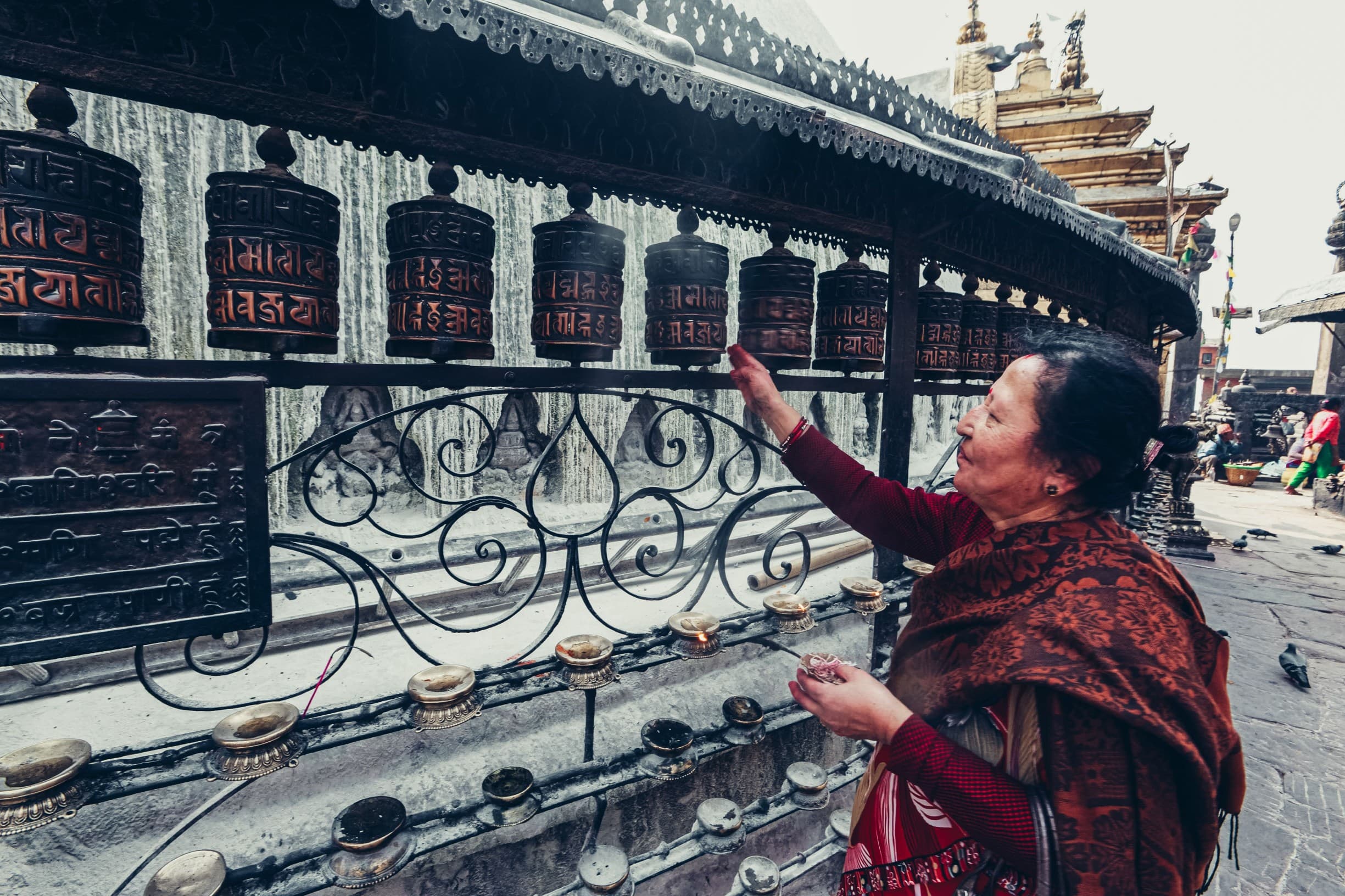
Setting the scene
Before sunrise breaks over the Kathmandu Valley, barefoot devotees are already moving through the old brick lanes with cymbals chiming, drums beating a steady rhythm, the scent of incense drifting from monastery courtyards. This is the Gunla festival, a sacred month-long Buddhist observance unique to the Newar community, and one of the most authentic, unfiltered cultural experiences a traveller can witness in Nepal. For visitors seeking more than temple photo but a more real glimpse into the rituals Gunla offers exactly that.
What is Gunla?
Gunla is one of the most significant festivals in the Newar Buddhist calendar, observed across the Kathmandu Valley for an entire lunar month, falling roughly between mid-August and mid-September. Unlike most Nepali festivals that unfold in a single day, Gunla's month-long duration is exactly what sets it apart, transforming daily life across the valley for weeks at a time.
Dedicated to Lord Buddha, this sacred month sees devotees reciting Buddhist scriptures, observing fasts, and visiting monasteries and stupas while playing traditional devotional music through the streets. Beyond its religious significance, Gunla carries a strong community spirit bringing together families and neighbourhoods to uphold shared traditions of music, art, and ritual. Perhaps what makes Gunla most remarkable is its continuity: these customs have been passed down through generations of Newar Buddhists, making the festival not just a religious observance but a living thread connecting the Kathmandu Valley's past to its present.
Why is it celebrated?
Gunla traces its roots back to Vassa, the traditional rainy season retreat observed by Lord Buddha and his disciples over 2,500 years ago. During the monsoon months, wandering monks would settle in one place to meditate, study scripture, and teach. This was done partly out of spiritual discipline, and partly to avoid inadvertently harming the insects and tiny life forms that flourish during the rains. For the Newar Buddhist community, the month becomes a dedicated period for accumulating spiritual merit, deepening scriptural knowledge, and honoring the Buddha's teachings. It turns an ancient monastic tradition into a living, valley-wide observance that continues to shape daily life in Kathmandu today.
How is it celebrated- Rituals and Traditions
Gunla Baja is the heartbeat of the festival. Its early morning processions where devotees gather before dawn and make their way to stupas, chaityas, and monasteries, music leading the way from the very start of the journey. The rhythmic beat of drums, the clash of cymbals, and the call of wind instruments echo through Kathmandu's old Newar neighborhoods, resonating especially powerfully around sacred sites like Swayambhunath. Throughout this period, devotees visit Buddhist temples, recite scriptures, make offerings, observe fasts, and take part in devotional processions, while dharma discourses and almsgiving continue daily across the valley.
Mataya, known as the "festival of lights," is another highlight for those visiting during Gunla. This is a vibrant procession where participants carry offerings from shrine to shrine, lighting up the valley's sacred routes.
Chaitya Seva refers to devotional service centered around Buddhist chaityas (stupas). During Gunla, believers visit these holy sites, offer donations, pray, and circumambulate them as an act of reverence and merit-making.
Panchadan is another ritual that takes place where five sacred items are offered. Traditions vary by locality, but in Bhaktapur, these typically include rice, unhusked rice, salt, money, and pulses.
Where to Experience Gunla in the Kathmandu Valley?
Swayambhunath Stupa stands as the undisputed epicenter of Gunla celebrations. If you want to witness Gunla Bajan processions and early-morning pilgrimage rituals at their most vivid, this is the site you cannot miss. Throughout the month, devotees from across the Valley converge here before dawn, making it one of the most atmospheric places to experience the festival firsthand.
Kathmandu's old Newar neighbourhoods including Asan and Kilagal offers another authentic vantage point. These narrow, centuries-old lanes come alive with music and processions as devotional groups pass through on their way to sacred sites, giving visitors an intimate, street-level view of the festival.
Patan holds its own rich Gunla traditions, with prominent pilgrimage routes running through its Buddhist courtyards and monasteries. Devotees make their way to sacred sites like Bungamati and other local shrines, making Patan a rewarding stop for travellers looking to explore Gunla beyond Kathmandu's core.
Best Times & Practical Tips for Visitors
The best time to witness Gunla is early morning, between 4-6 AM, when the main processions and Gunla Bajan music groups make their way to sacred sites. Arriving early not only means catching the festival at its most vibrant, but also avoiding the daytime heat and crowds.
A few etiquette notes worth keeping in mind: dress modestly, as this is a deeply religious observance, not a public performance. Ask before photographing devotees up close, and keep flash photography to a minimum. Most importantly, observe from the side rather than the path as this is a living ritual, not a staged event, and stepping into the procession's way is considered disrespectful.
If you only have one morning in the Valley, here's how to make it count:
• Before sunrise: Head to the Swayambhunath area and find a comfortable spot to observe.
• Early morning: Watch as musical groups arrive and devotees begin their pilgrimage. Please, stand clear of the main path.
• During the procession: Take in the sound of Gunla Bajan as different groups circle the stupa in turn.
• After the rituals wind down: Explore the nearby Newar neighborhoods and other heritage sites in the area before the day gets busy.
Planning a trip during Gunla season?
Our guided cultural tours can help you experience the festival's early morning processions and sacred sites with context and respect, ensuring you witness this remarkable tradition the right way. Get in touch with our team to build an itinerary around Gunla celebrations.
Related blogs
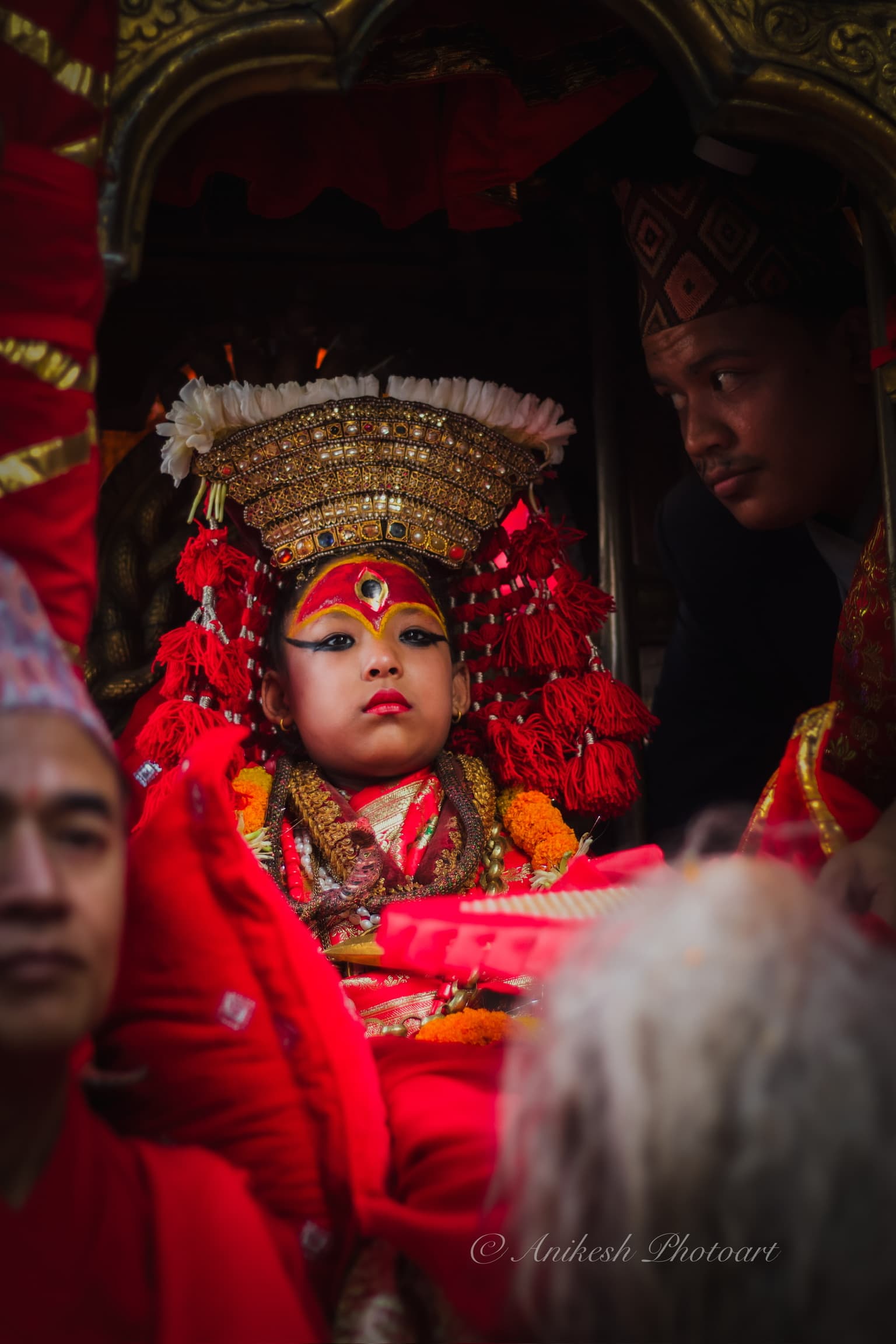
Indra Jatra 2026 – A Visitor Guide for Kathmandu’s biggest festival.
A local’s insight and guide inside Kathmandu’s largest eight-day street festival
2026-09-18 09:56:02+00:00
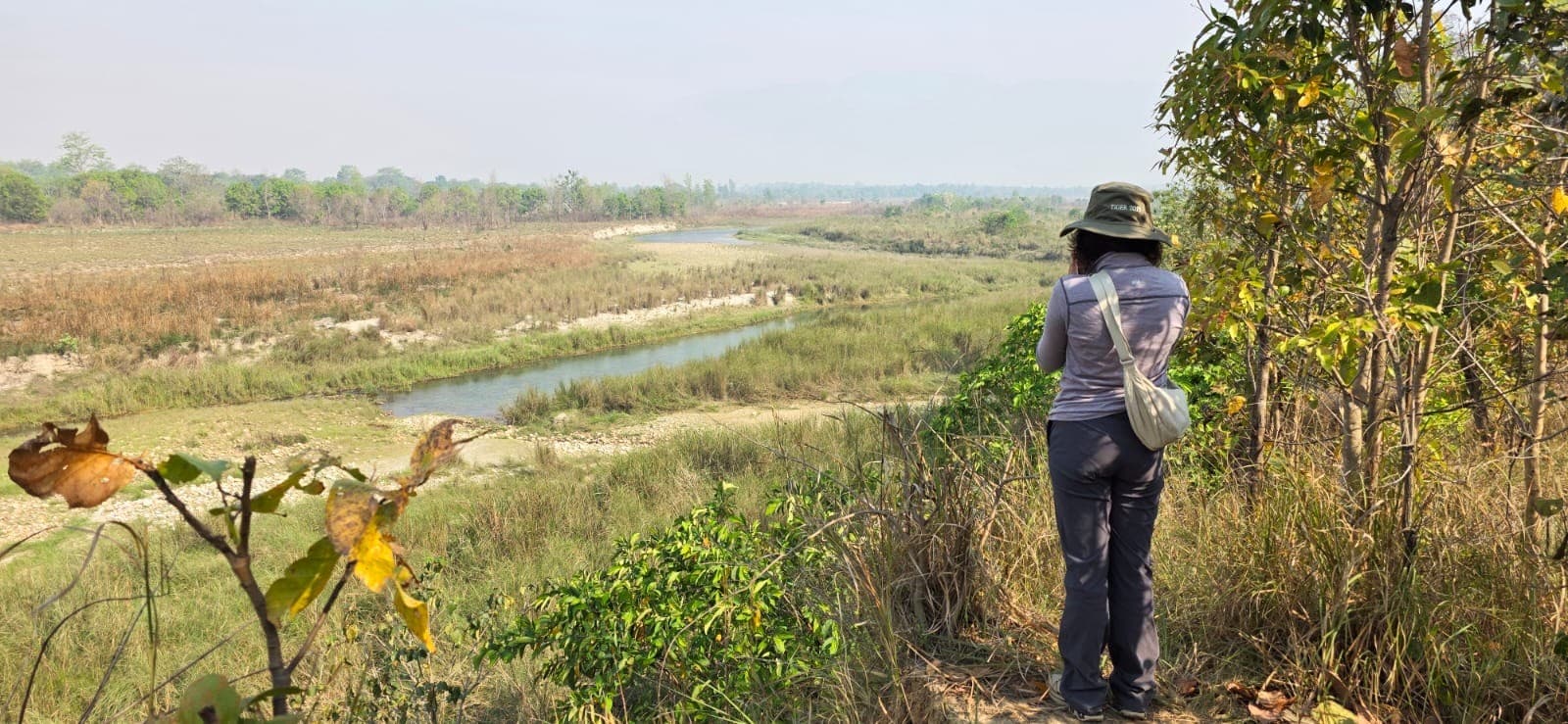
A Wilderness Escape at Bardia- Nepal’s Best kept secret
If Chitwan is Nepal's classic safari destination, Bardia National Park is its wild frontier.
Jun 18, 2026
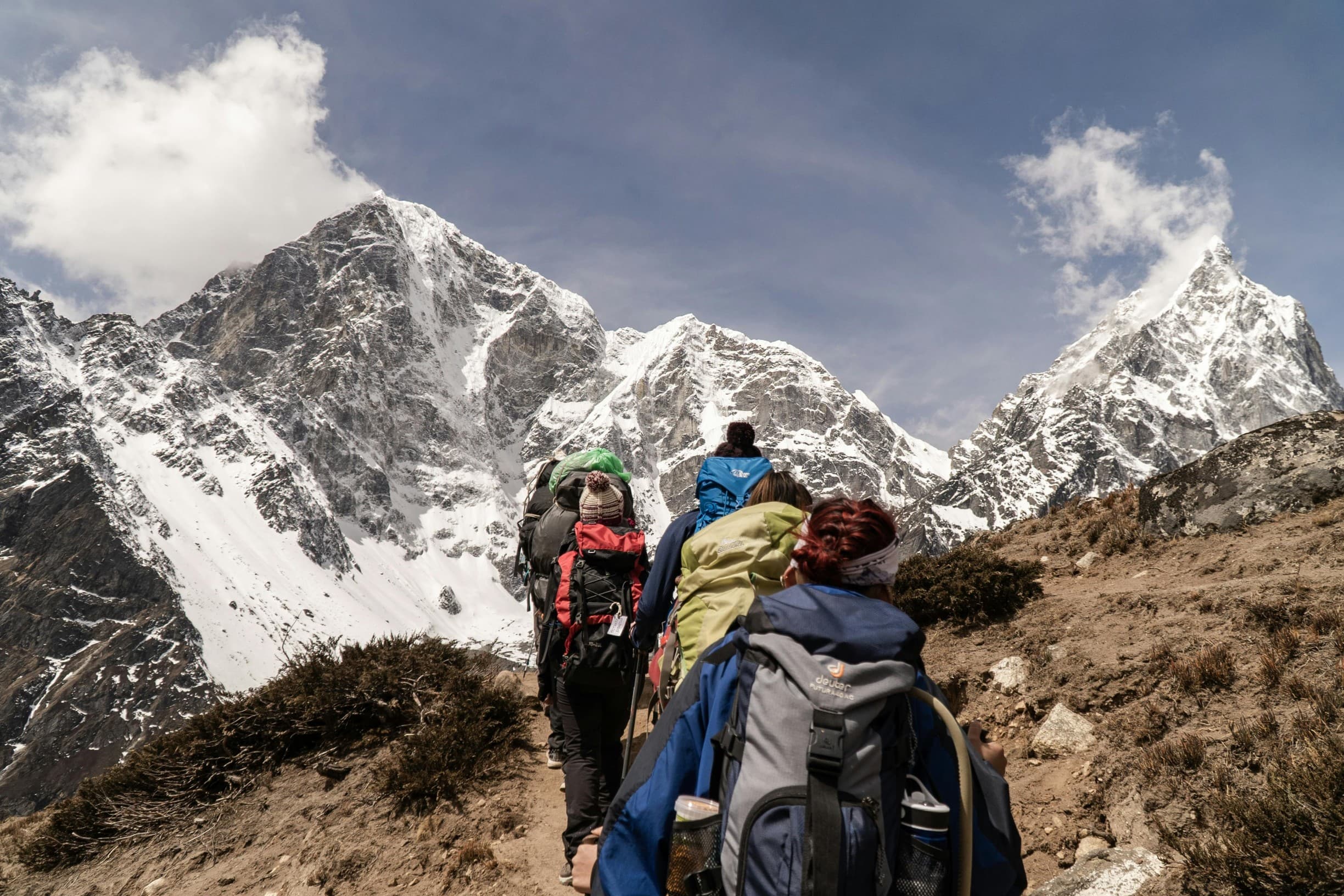
Preparing for a Nepal Trek: Fitness & Training
Nepal Trek Preparation Guide: How to Train, Build Stamina & Get Trail-Ready for the Himalayas
May 18, 2026