A Wilderness Escape at Bardia- Nepal’s Best kept secret
If Chitwan is Nepal's classic safari destination, Bardia National Park is its wild frontier.
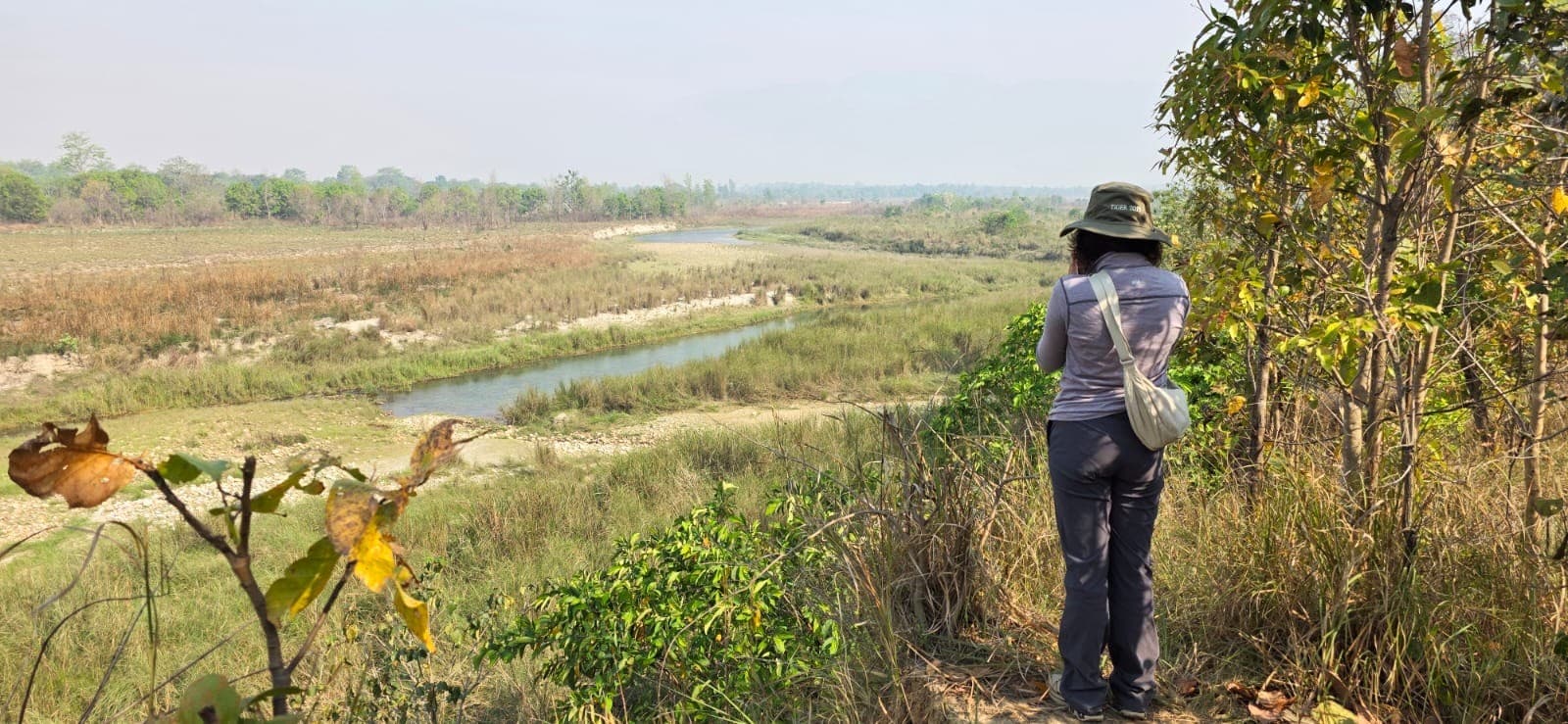
If Chitwan is Nepal's classic safari destination, Bardia National Park is its wild frontier.
As the country's largest national park, Bardia offers a different kind of safari….one defined by exclusivity, untamed wilderness, and the thrill of genuine discovery. Getting here takes a little more effort than the well-worn tourist circuit, but it's far easier than most travellers expect, and that sense of remoteness is exactly what makes it so rewarding.
The park's diverse ecosystem stretches across vast grasslands, savannah, riverbanks, and dense Sal Forest, creating one of the richest wildlife habitats in the country — and ideal conditions for Nepal's most elusive predator, the Bengal tiger. Bardia is widely regarded as offering some of the best opportunities in the country to spot a tiger in the wild, making it a dream for wildlife photographers, naturalists, and anyone chasing a sighting they'll never forget. Its appeal goes beyond wildlife, too. The surrounding region is home to the Tharu people, one of Nepal's indigenous communities, whose traditions and connection to the land remain woven into daily life here. Encounters feel authentic rather than curated, adding a layer of culture to the wilderness.
I went to find out for myself. This is what four days in Bardia gave me.
Getting There
 We took an early morning flight from Kathmandu to Nepalgunj, a short hop of about an hour that delivered some of the best views of the trip before we'd even landed. As the plane climbed out of the valley, the snow-capped Himalaya stretched across the horizon, towering silhouettes glowing in the morning light. Slowly, the mountains gave way to rolling hills, and then to the flat green plains of the Terai below.
Stepping off the plane in Nepalgunj, the change in climate hit immediately. It had a warmer, heavier air with a distinctly subtropical feel, a world away from Kathmandu's weather. We collected our bags and set off on the two-hour drive to Bardia, the road carrying us through the city, then fertile farmland, traditional Tharu villages, and pockets of dense forest. By the time we arrived, it already felt like we'd crossed into a different Nepal entirely.
The Safari
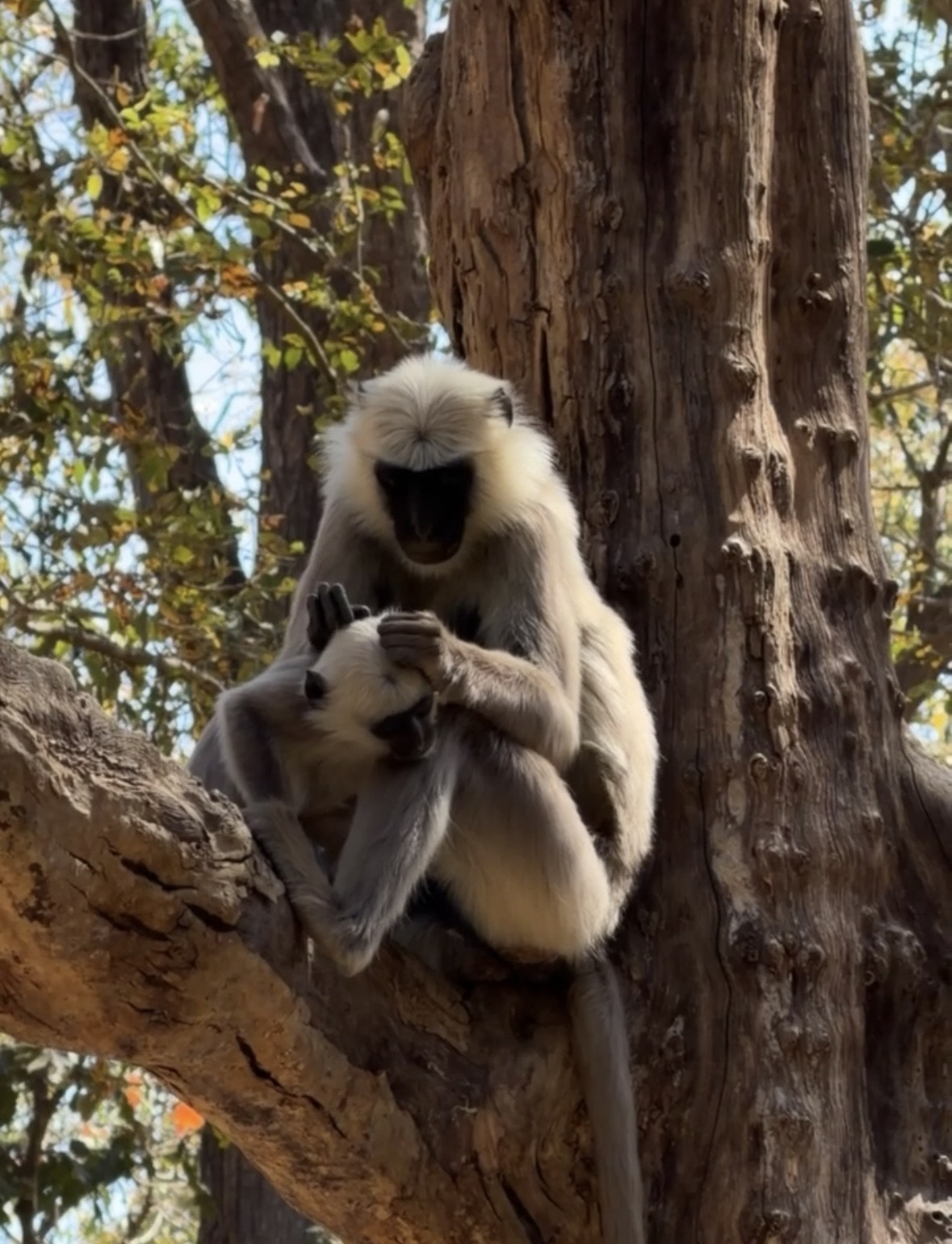
 On our afternoon, a jeep was waiting, along with the two people who would shape the next four days of our lives: our driver and our naturalist. It was clear within minutes that we were in good hands. Both men knew the forest like the back of their hand. Our naturalist could read the smallest signs in the undergrowth. Our driver navigated the rough jungle tracks with the kind of confidence that only comes from years behind the wheel, weaving through dense vegetation and narrow trails without ever losing time. Whenever a radio call came through about tiger movement, he'd get us there fast, threading the jeep through the forest as if he'd memorised every root and rut. Between sightings, he doubled as our bird guide, always scanning the canopy, always the first to catch a flash of colour we'd otherwise have missed entirely.
What struck us most, though, was the network operating quietly behind it all. Our guides stayed in constant radio contact with naturalists scattered across the park, trading updates on where the tigers and other animals had last been seen.
The first day was an education. As we drove between zones, our naturalist walked us through the rhythm of a tiger's day — how they move at dawn and dusk, patrolling and marking territory, then retreat into dense shade or settle near watering holes through the heat of late morning and afternoon before becoming active again as evening falls. We came across a scratch mark on a tree that morning, high enough up the trunk to give us a real pause about the size of the animal that had left it. We listened for alarm calls from deer, birds and langurs and tried to triangulate where a tiger might be lying low. It is without question, a waiting game…. and never a game of one clue alone. Our guides were constantly cross-referencing the direction and intensity of alarm calls, fresh pugmarks and scent marks, disturbed birds and monkeys, and the movement of deer herds, piecing together a picture in real time. Watching our naturalist do this was almost as intriguing as the sightings themselves like some kind of detective work.
That patience paid off on day two. We heard from another naturalist about a tiger sighting. After driving close to the point we walked afoot as quietly as we could which was a thrill in itself. As we got to the secluded waterhole, we caught our first glimpse of the tiger near a water hole, calm and unbothered. It was as if the tiger was waiting for us to show his presence and then it hid away. The heat, the silence, the sheer presence of the animal — it's a stillness that's hard to put into words. Day three brought a completely different kind of magic: a large herd of wild elephants moving through the grassland, a baby elephant tucked among them, nursing from its mother. There was something deeply peaceful about watching that scene play out, a reminder that Bardia's wilderness isn't only about predators and prey.

Then came day four, and the story we'll be telling for years. An elephant burst from the trees without warning and charged toward our jeep. Our driver reacted instantly, and what followed was nearly a hundred meters of pure adrenaline — heart racing, dust flying, the jeep bouncing over uneven ground as we put distance between ourselves and the elephant. Terrifying in the moment, exhilarating in hindsight, and the clearest reminder of just how wild "wild" really is.
By the end of four days, we'd seen tigers and elephants, learned to read a forest like a book, and trusted two strangers with both our safety and our sense of wonder.
Beyond the Safari

The jeep wasn't the whole story. Some of our quietest, most memorable moments came outside the game drives entirely —like having a packed lunch in the midst of the jungle and a coffee break with the langurs. We also had a walk through a Tharu village, watching daily life unfold much as it has for generations. Experienced a sunset over the river, the kind that turns the whole sky into something worth sitting still for and birdwatching, when the canopy comes alive with sound before the jungle's bigger residents stir. Together, these moments rounded Bardia out into something more than a place you go to see animals.
Who This Trip Is For?
Bardia is for wildlife enthusiasts, the photographer chasing that once-in-a-lifetime tiger frame, the traveller who values solitude and authenticity over convenience. It appeals to nature lovers who relish the anticipation of tracking wildlife through vast forests, birdwatchers after rare sightings, and adventurers who find excitement in the unpredictability of the wild. It's equally suited to anyone looking to disconnect from busy itineraries and reconnect with nature at a slower pace, where the sounds of the forest replace the noise of crowds. It is suitable for first time travellers as well like myself and it is an experience I would like to revisit again.
This isn't simply a place to see wildlife. It's a place to experience the wild as it was meant to be: raw, immersive, and unforgettable. It's for travellers who prefer meaningful encounters over ticking off highlights, who understand that the most rewarding experiences often lie beyond the well-worn path.
For those who value exclusivity over convenience, immersion over crowds, and wilderness over infrastructure, Bardiya delivers something increasingly rare: a safari that still feels like an adventure.
Good to know: the best time to visit is October to early April. From April to June, temperatures climb to a brutal 45°C, and July to September brings the monsoon. But here's the paradox worth knowing…..the best time to spot tigers is precisely when it's hottest, when they come down to the river to bathe and cool off.
Ready to plan your Bardia escape? Get in touch with our team.
Related blogs
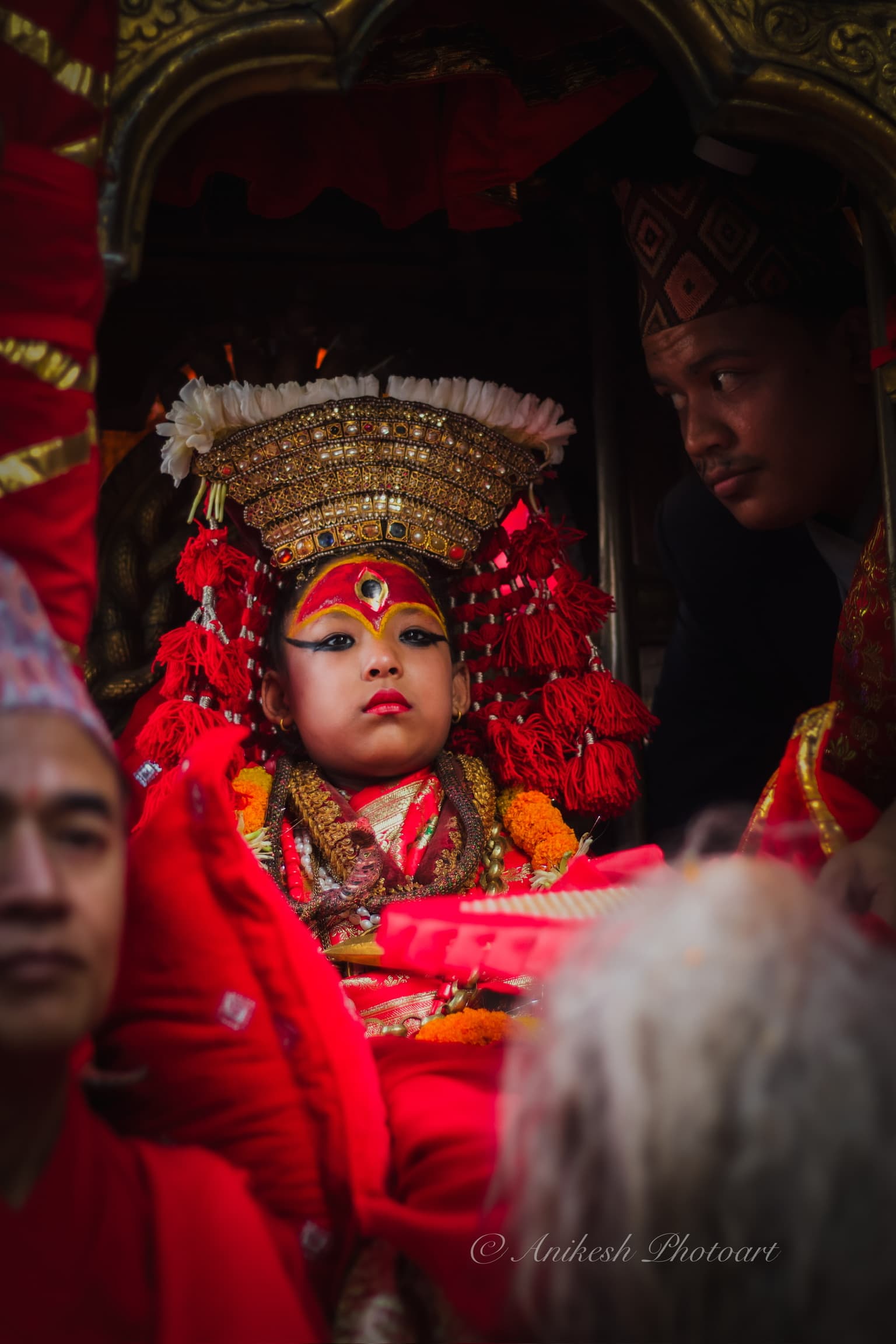
Indra Jatra 2026 – A Visitor Guide for Kathmandu’s biggest festival.
A local’s insight and guide inside Kathmandu’s largest eight-day street festival
2026-09-18 09:56:02+00:00
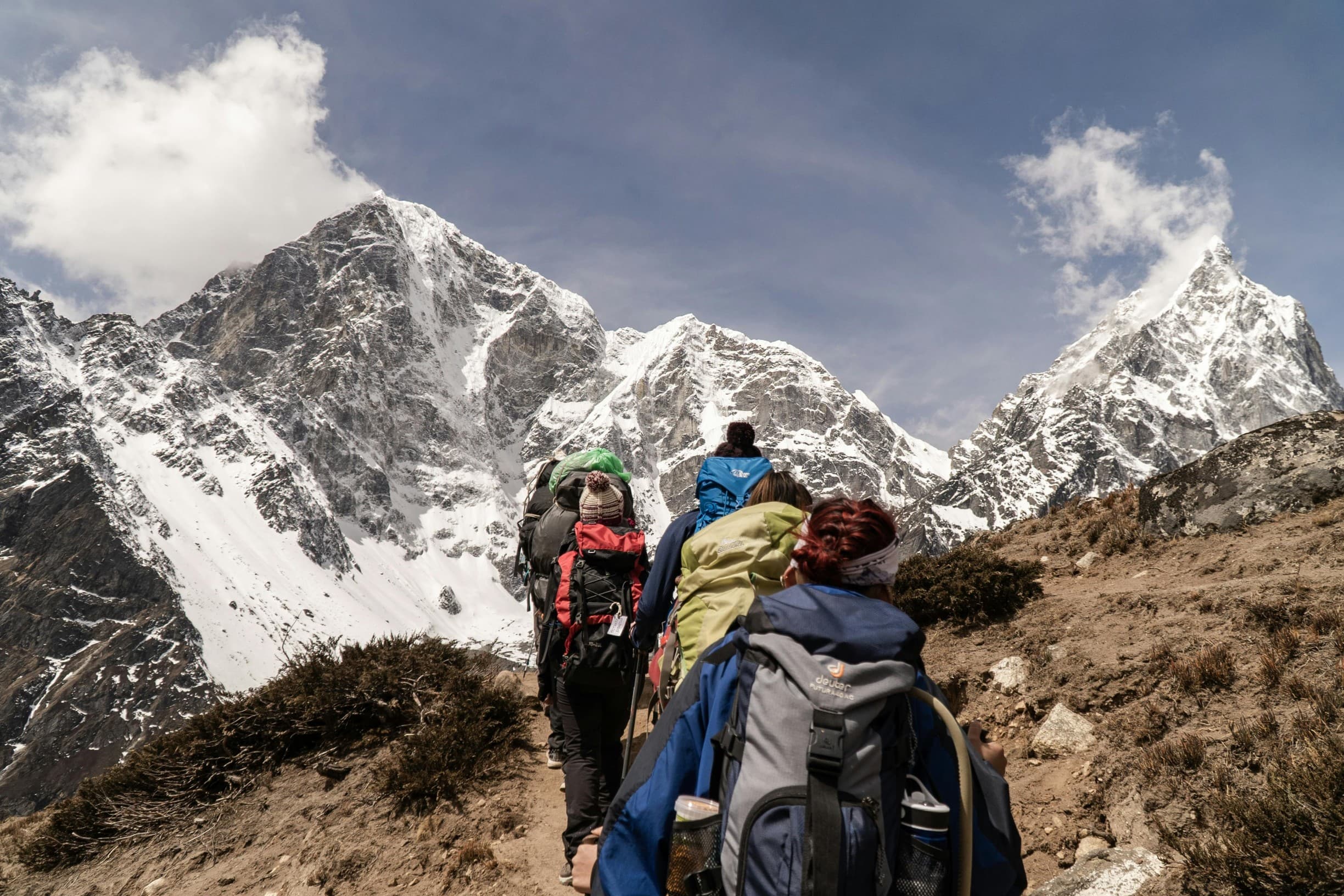
Preparing for a Nepal Trek: Fitness & Training
Nepal Trek Preparation Guide: How to Train, Build Stamina & Get Trail-Ready for the Himalayas
May 18, 2026
Choosing Trekking Boots
What to Look for in Hiking Boots Before Trekking in the Nepal Himalayas
May 19, 2026