Phoksundo Lake: The Turquoise Jewel of Nepal
Nepal's deepest lake in the heart of Dolpo.
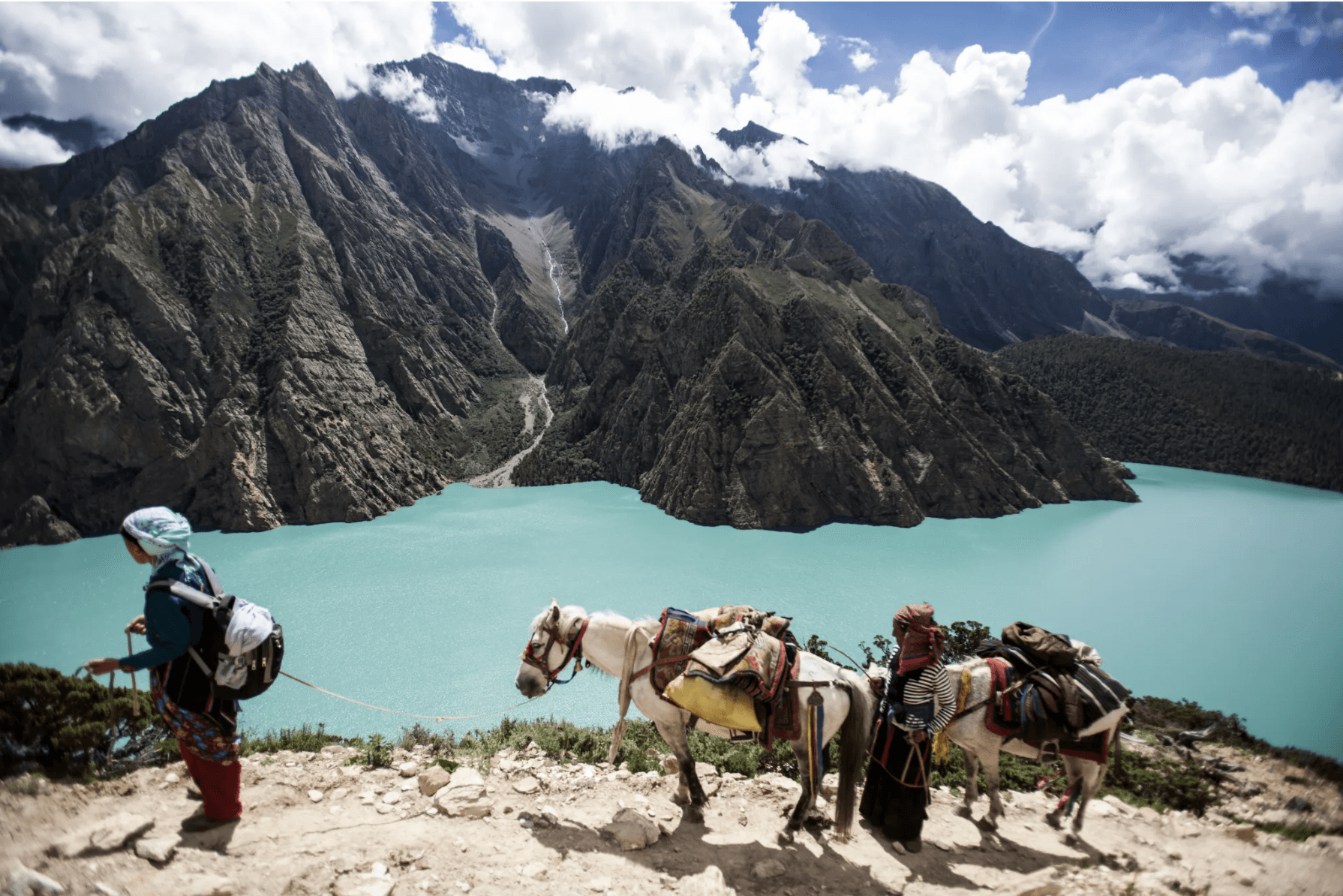
The Turqoise Jewel
Somewhere deep in Dolpo, one of the most remote and isolated corners of the Himalaya, the trail crests a final ridge and the valley opens onto something almost unbelievable: a sheet of impossibly turquoise water, so clear you can see straight into it, ringed by peaks that seem to rise directly out of the lake itself. This is Phoksundo Lake. It is Nepal's deepest and, many would argue, its most scenic mountain lake. Reaching it takes effort, patience, and a restricted area permit. There are no roads here, no crowds, no shortcuts. Just a long walk through one of the last wild corners of the Himalaya, and a payoff that few other lakes in the world can match.

A Lake Born of Legend
Geologists will tell you that Phoksundo Lake formed 30,000 to 40,000 years ago, when a massive landslide dammed the valley and backed up the waters that now spill over a dramatic 167-metre waterfall. Measured in 2019, the lake plunges to depths of 136 metres and sits at an altitude of 3,116 metres. These numbers hint at its scale but do nothing to prepare you for standing on its shore.
The locals tell a different story. According to legend, the lake was conjured by a demoness attempting to block Guru Rinpoche, the revered spiritual master, from spreading Buddhism through the region. Whether you come for the geology or the myth, the effect is the same: Phoksundo Lake is considered a place of protective energy, and pilgrims have been drawn here for centuries.
That layered history is still visible on its shores. Stupas dot the lakeside, and a Gompa stands on the eastern bank. Nearby, the ancient village of Ringmo (a tight-knit community of around 42 households) carries a distinctly Tibetan Buddhist identity, though traces of the older Bon Po faith still linger here too. Dolpo is one of the last places on earth where Bon Po survives at all. Once a year, the Cham Dance transforms Ringmo Gompa into a stage, as monks in elaborate masks perform the ancient story of good triumphing over evil.
The wildness extends beyond the human history. The surrounding meadows and bogs, part of Shey Phoksundo National Park, shelter snow leopards, musk deer, and Tibetan wolves.
Getting There: A Journey in Three Stages
 Reaching Phoksundo Lake is not something you do on a whim, and that's precisely what makes it worthwhile. From Kathmandu, the route unfolds in three distinct stages: two flights, then four days on foot.
The first flight drops you into the sweltering
 lowlands of the Terai, at Nepalgunj near the Indian border. Because the connecting flight is weather-dependent and departs early, you'll typically spend the night here before continuing. The second flight carries you deep into the mountains, touching down on the small airstrip at Juphal. From here, the roads end and everything from this point on is on foot.
From here the journey continues on foot, descending past wheat and vegetable fields toward the Barbung Chu River, heading for Sulighat, the lowest point of the entire trek. A quick lunch stop at Sulighat sets you up for the afternoon, which follows the gorge carved by the Sulagad River, past teahouses and terraced fields, through stands of rhododendron and juniper, and on into Kageni (2,350m).
On day two, the trail begins to climb through a forest of oak and pine before easing into a gentle downhill stretch, crossing Anke Khola on the way into Chhepka. From there the path turns upward again, tracing the Suligad River as it threads through a narrow gorge, past a string of Gurung and Tibetan villages, and on toward Renje (3,090m).
The third day's walk leads to the deepest lake in Nepal, where the clear, aquamarine waters
 of Phoksundo (3,600m) shimmer within a ring of snow-capped peaks. The climb toward this final destination unfolds one breathtaking view after another, and at the southern end of the lake, the trail arrives at the Tibetan village of Ringmo. Perched on the crest of the very landslide dam that formed the lake, the village is home to a mix of yak herders and traders who still practice Bon po, a spiritual tradition that predates the arrival of Buddhism.
Along the way, the trail rarely feels like a corridor of tourists. You pass tiny settlements where locals weave the textiles Dolpo is known for, tend barley and wheat, and graze livestock much as their ancestors did. Compared to the well-worn paths of Everest and Annapurna, this route sees a fraction of the foot traffic. That scarcity is its own kind of luxury. Simple teahouses now dot the route, so you won't need to camp, but you will feel, at points, like you have the mountains to yourself.
Once You Arrive
 It would be a shame to hike four days to Phoksundo Lake, snap a photo, and turn straight back around. The landscape makes sure you won't want to. With the towering Kanjirowa Himal (6,612m) as a backdrop, the lake basin rewards at least a full day of unhurried exploration.
A complete circuit of the lake isn't possible….the terrain simply won't allow it. Adventurous trekkers can follow the trail deeper into Dolpo toward Shey Gompa, climbing above the lake for sweeping views from higher ground. Locals have a name for this route: the Demon's Trail, on account of its narrow, precarious sections. It's not a walk to take lightly, but it delivers a perspective on the lake that few visitors ever see.
The Way Back
 The return trip retraces your steps: two days back down to Juphal, with another overnight at Chhepka, followed by the reverse flight sequence through Nepalgunj and, with good weather and good luck, back to Kathmandu the same day.
It's a long way to go for a lake. But Phoksundo isn't really about the destination — it's about everything the trail asks of you to get there, and everything it gives back once you arrive.
Planning Your Own Phoksundo Lake Trek?
When to visit Phoksundo Lake
The best times for a Phoksundo Lake trek pretty much coincides with the main trekking season period in Nepal, so late September to early May. Although Dolpo as a whole is less affected by the summer monsoon compared to other parts of Nepal, it still does get some of the rains and rain means leeches as well as trickier conditions underfoot and mountain views obscured by clouds. Given the altitude it can be a little chilly and frosty at the higher elevations during the winter months.
• Spring (March-May): With temperatures ranging from 10°C to 20°C (50°F to 68°F), spring is a delightful time to visit. The skies are clear, the wildflowers are in full bloom, and the wildlife is more active.
• Summer (June-August): The monsoon season brings heavy rainfall, making some trekking routes slippery and difficult. However, the Dolpo region is part of Nepal’s rain shadow, so it receives less rainfall than other areas. Expect temperatures between 15°C and 25°C (59°F to 77°F).
• Autumn (September-November): Arguably the best time to visit, autumn boasts clear skies, pleasant temperatures (10°C to 20°C / 50°F to 68°F), and stunning views of the surrounding peaks. Plus, you’ll avoid the summer rain and winter chills.
• Winter (December-February): While the lake is accessible, be prepared for freezing temperatures (-10°C to 5°C / 14°F to 41°F) and snow-covered trails.
For a detailed example itinerary see: Shey Phoksundo Lake Trek.
Related blogs
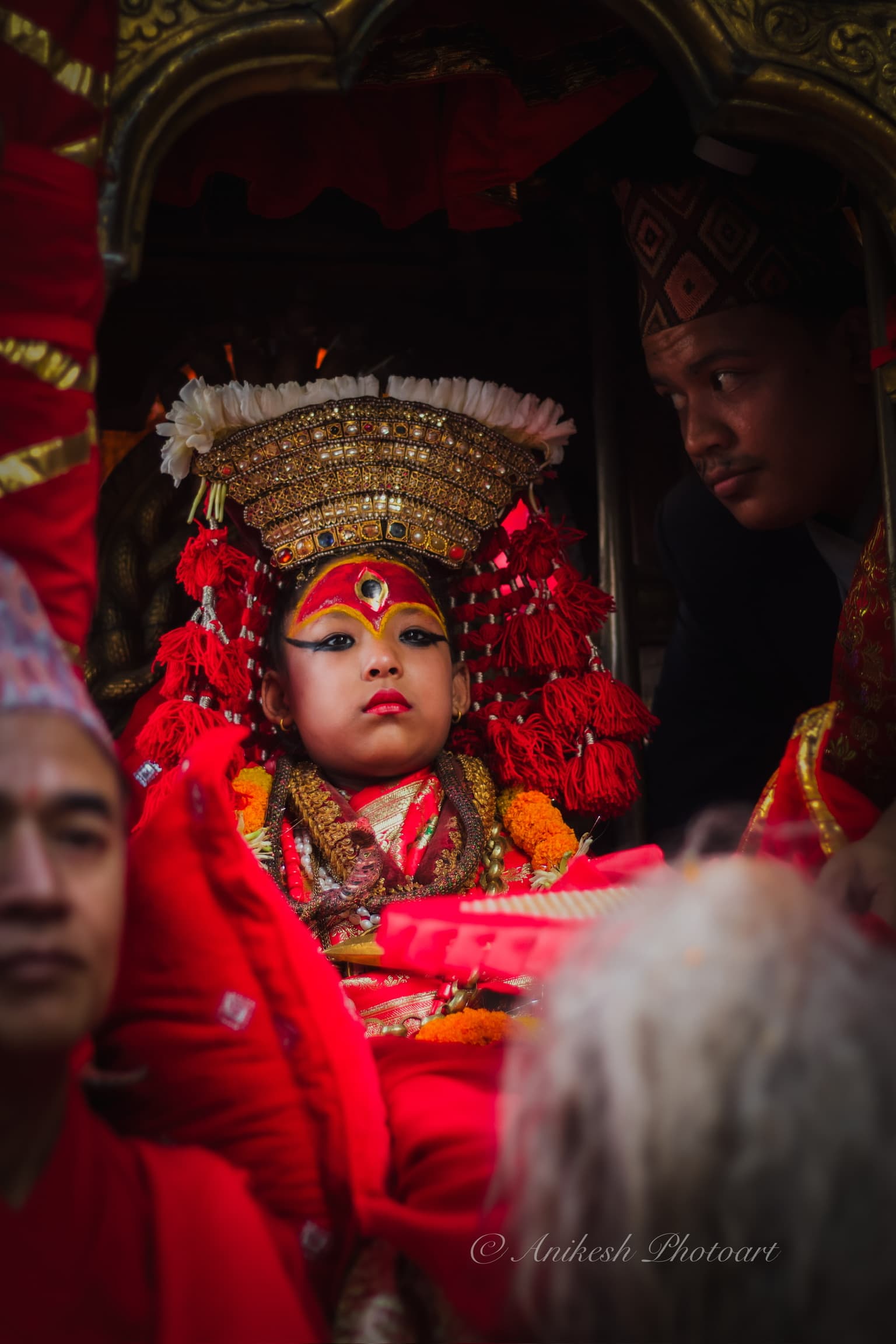
Indra Jatra 2026 – A Visitor Guide for Kathmandu’s biggest festival.
A local’s insight and guide inside Kathmandu’s largest eight-day street festival
2026-09-18 09:56:02+00:00
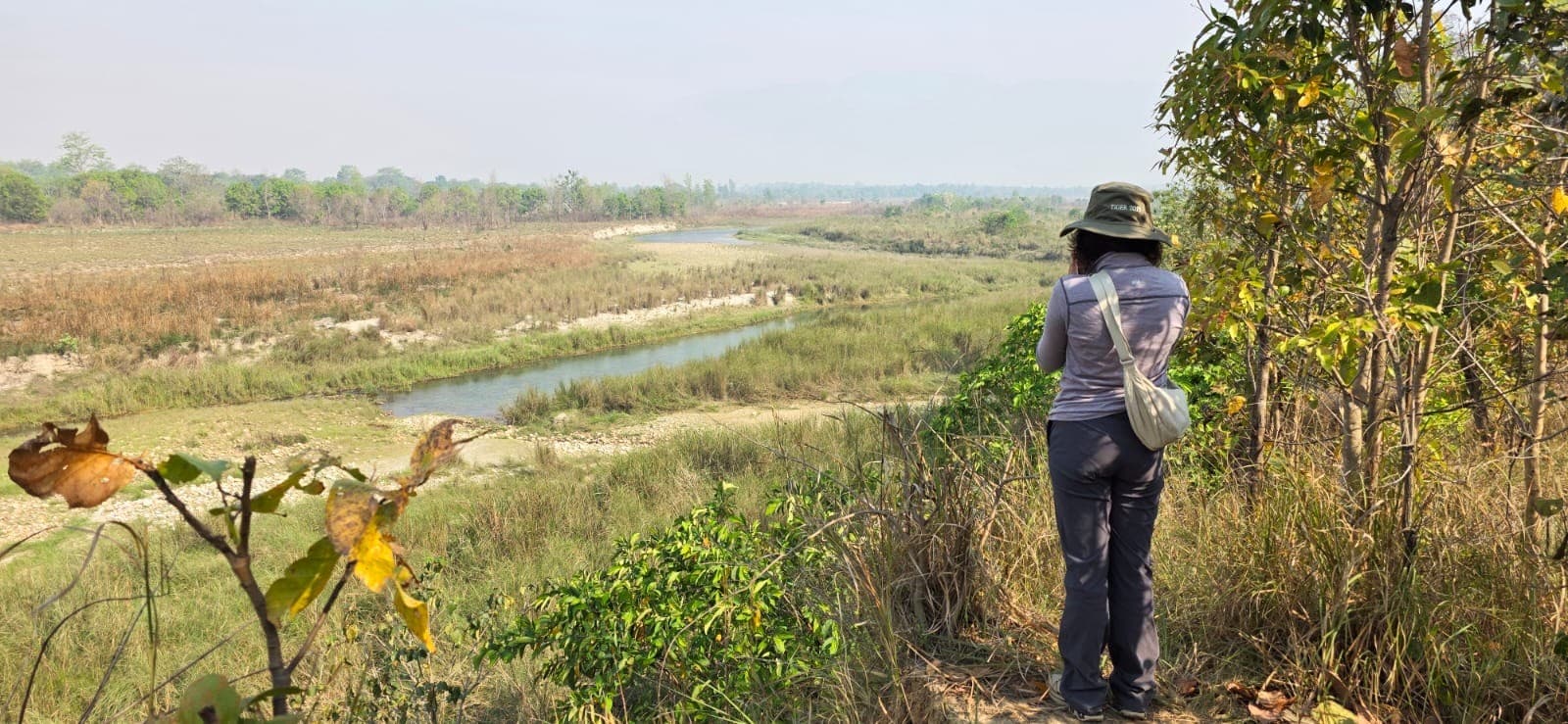
A Wilderness Escape at Bardia- Nepal’s Best kept secret
If Chitwan is Nepal's classic safari destination, Bardia National Park is its wild frontier.
Jun 18, 2026
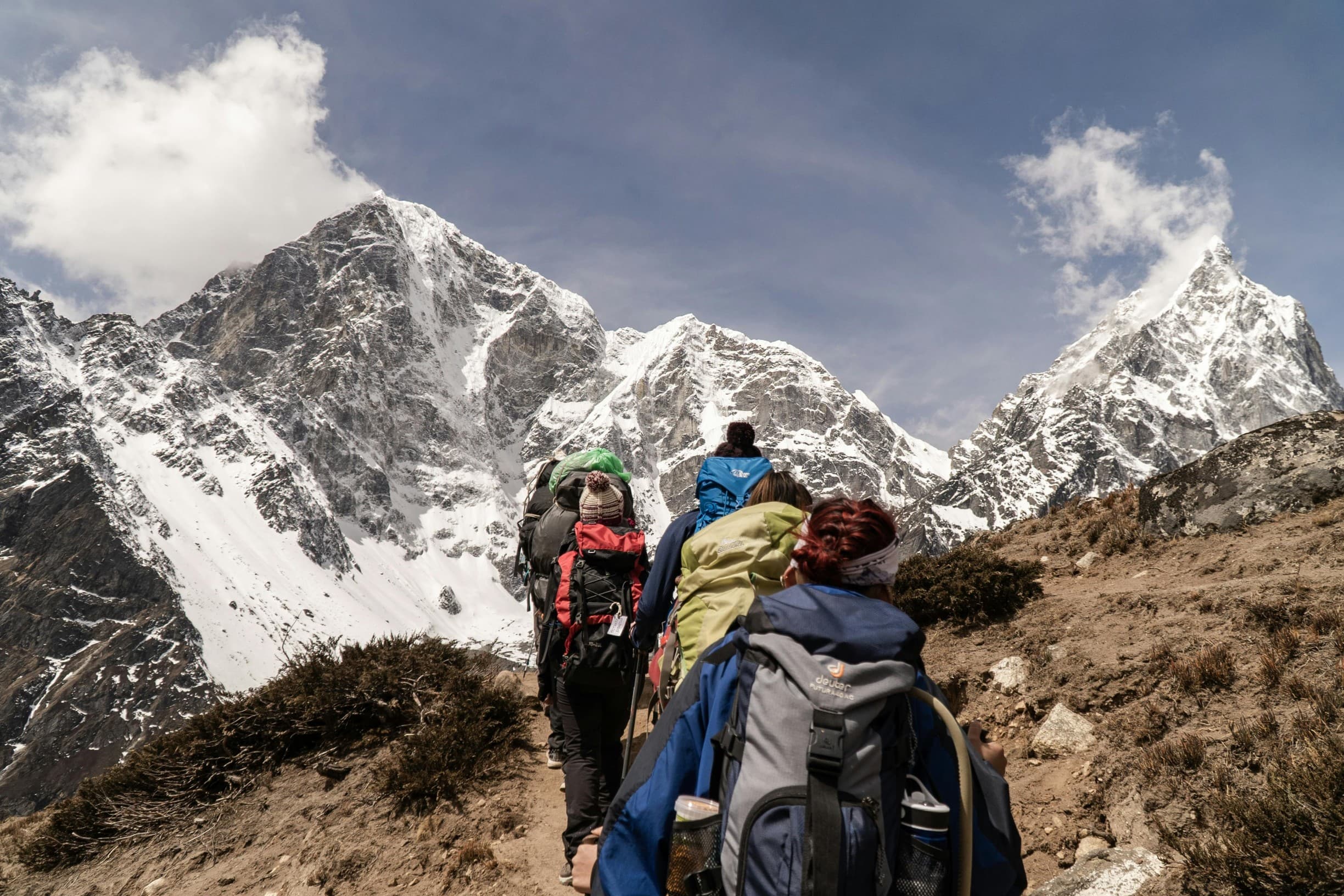
Preparing for a Nepal Trek: Fitness & Training
Nepal Trek Preparation Guide: How to Train, Build Stamina & Get Trail-Ready for the Himalayas
May 18, 2026