Choosing Trekking Boots
What to Look for in Hiking Boots Before Trekking in the Nepal Himalayas
Introduction
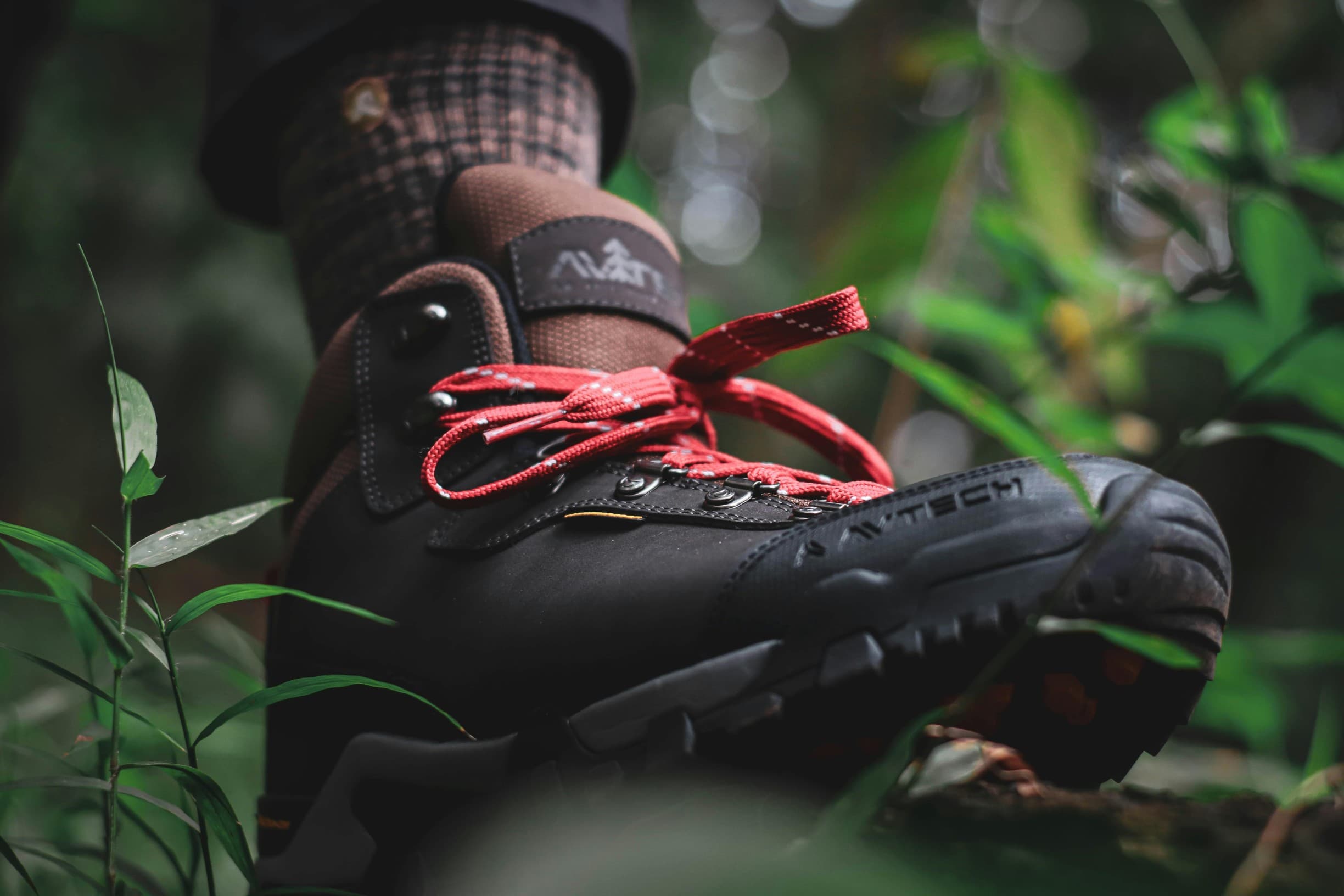
Arguably one of the most important decisions you’ll make when preparing for a Nepal trek is choosing the right pair of hiking boots.
After all, this is essentially a walking holiday, and you’ll be relying on your boots day after day on the trail. They need to be completely comfortable, but also capable of handling the job they’re designed for.
Now, it would be inappropriate for us to tell you exactly which pair of boots you should buy. There are many reputable hiking boot manufacturers, and what works perfectly for one person may not work for another. Feet come in different shapes as well as sizes — wide, narrow, high arch, low arch, and everything in between.
So the first step is simple: try on boots from different manufacturers and find the ones that suit your feet best.
Don’t assume that because you normally wear a size 10 that you’ll be a size 10 in every boot brand. Even if the size fits, the boot itself might not suit your foot shape. It could be too narrow, too wide, or simply uncomfortable.
Let your feet do the talking.
Even if you eventually buy your boots online, you should always try them on first and test them properly.
Visit a Specialist Outdoor Shop
The best place to start is a specialist outdoor shop — ideally one staffed by people who actually hike themselves. They can offer advice that goes far beyond simply bringing out different sizes.
They’ll help you find boots that are not only comfortable but also suitable for the kind of trekking you’ll be doing.
Remember, you’re choosing function over fashion.
Testing the Fit
Of course, you can’t properly simulate mountain trekking inside a shop. However, good outdoor shops often have a small ramp or slope so you can test the feel of the boots.
One important rule: your toes should not touch the front of the boot.
There should be a small gap at the front. When descending steep trails your feet naturally slide forward, and if your toes are pressed against the end of the boot it can quickly become painful and may even cause injury.
Again, listen to your feet. If something feels uncomfortable, try a different pair. A good shop assistant will happily and patiently help you test multiple options.
Don’t Forget Your Socks
It’s also a good idea to bring along the hiking socks you normally wear when trying on boots. Many outdoor shops provide test socks, but they may not match the thickness or material of the ones you usually use.
If you’re buying new boots, it may also be worth investing in new hiking socks at the same time. Different socks work better with different boots, so ask the shop assistant for advice on what will work best with your choice.
Waterproofing is essential.
Your boots need to be properly waterproof — not just water resistant or “shower proof”.
If you’re considering lighter fabric boots rather than leather, make sure they include a waterproof membrane. This acts like a waterproof sock built inside the boot, providing extra protection if the outer material gets soaked.
Ankle support matters too.
Many trekkers today use high-quality approach shoes. They are lighter and often very comfortable. However, our personal opinion is that proper hiking boots still offer better ankle protection on rough mountain trails.
Sturdy construction is important.
Some boots are designed only for easy summer walks. They may look appealing because they are inexpensive, but they simply aren’t designed for multi-day mountain trekking.
They often bend too easily, offer little protection, and usually aren’t properly waterproof.
A good hiking boot should feel slightly stiff in the sole. Not so stiff that it’s uncomfortable, but firm enough to protect your feet from rough terrain over many days of walking.
Protect Your Toes
Toe protection is another small but important feature.
Good hiking boots include reinforced toe caps that protect your feet if you accidentally kick rocks along the trail. Without this protection, a simple misstep could leave you with a painful toe injury that makes walking difficult — and that’s not something you want during a trek.
Break Them In
One of the most common mistakes we see is trekkers arriving in Nepal with brand new boots that they’ve only worn once — in the shop where they bought them.
Two days into the trek, they can’t continue.
Why? Because their boots haven’t been broken in.
Even comfortable boots feel a little stiff at first. The materials, stitching, and soles all need time to loosen slightly and adapt to your feet. As you walk, the boots gradually mould to your foot shape and become much more comfortable.
That’s why it’s important to break your boots in well before your trek begins, especially if they have leather uppers.
Cheap Boots vs Good Boots
The inexpensive “cheap as chips” boots you sometimes see in shops do have their place. They’re perfectly fine for occasional short walks.
But they’re not designed for multi-day Himalayan treks.
They often lack proper waterproofing, durability, and protection — and they usually don’t last very long either.
For many people, trekking in Nepal is a once-in-a-lifetime experience. That alone is a good reason to make sure your boots don’t let you down.
Related blogs
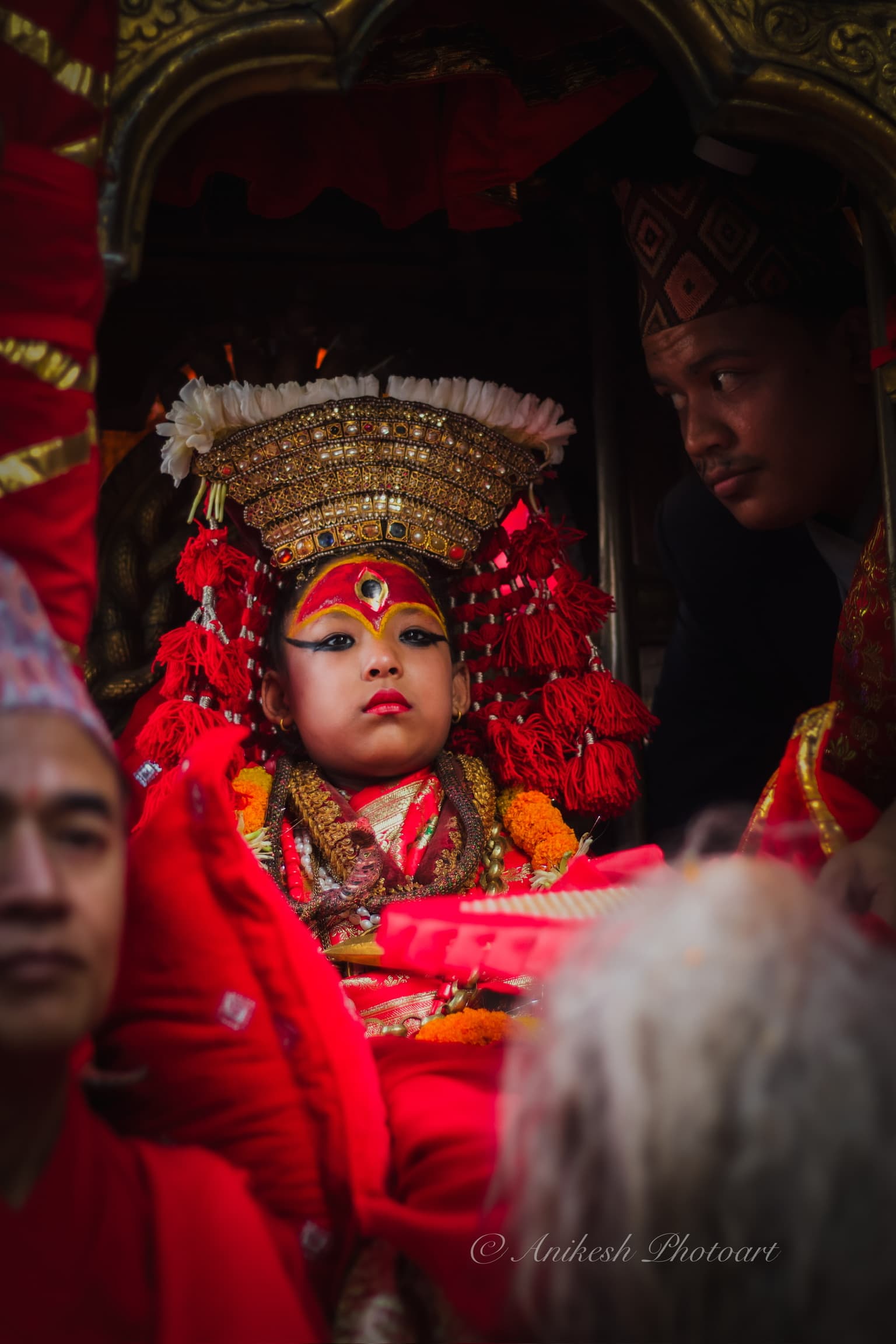
Indra Jatra 2026 – A Visitor Guide for Kathmandu’s biggest festival.
A local’s insight and guide inside Kathmandu’s largest eight-day street festival
2026-09-18 09:56:02+00:00
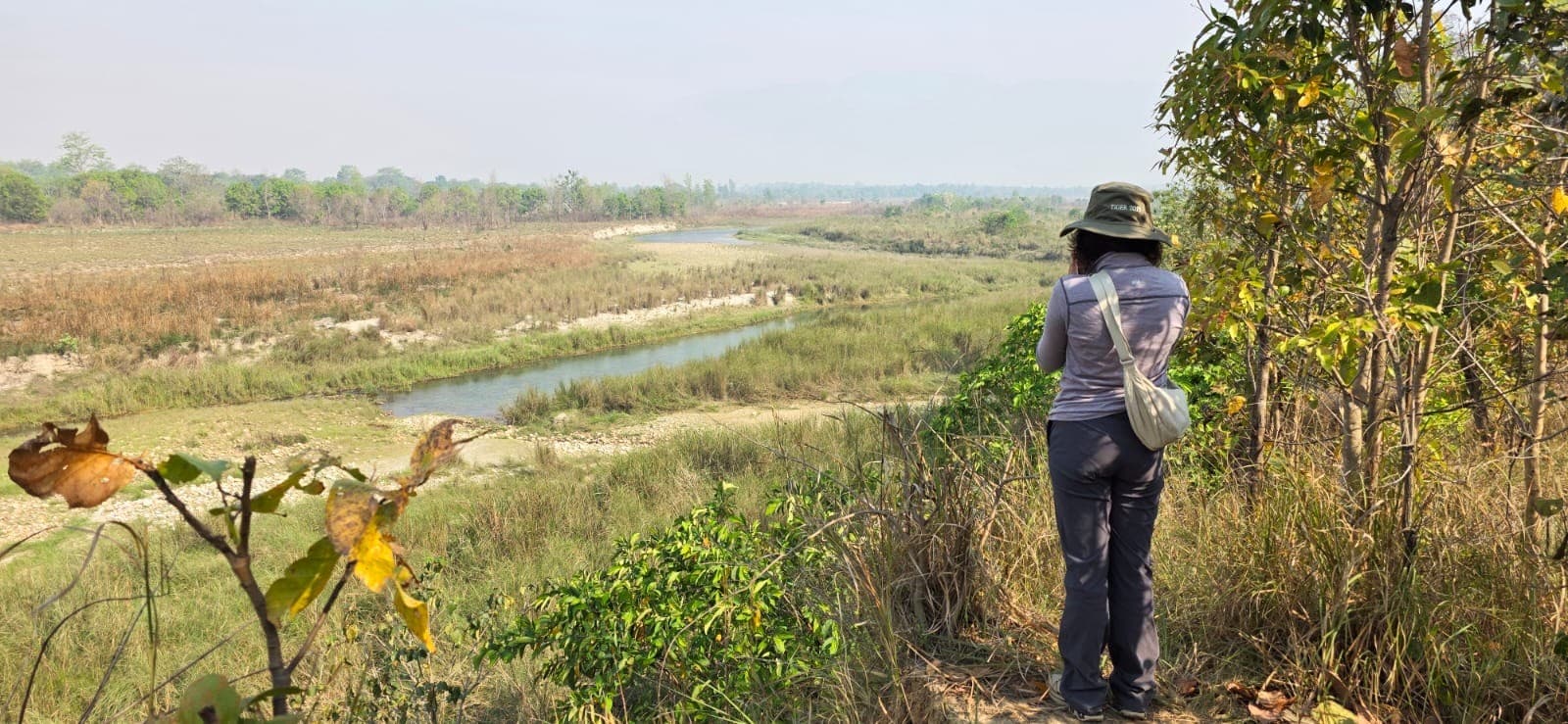
A Wilderness Escape at Bardia- Nepal’s Best kept secret
If Chitwan is Nepal's classic safari destination, Bardia National Park is its wild frontier.
Jun 18, 2026
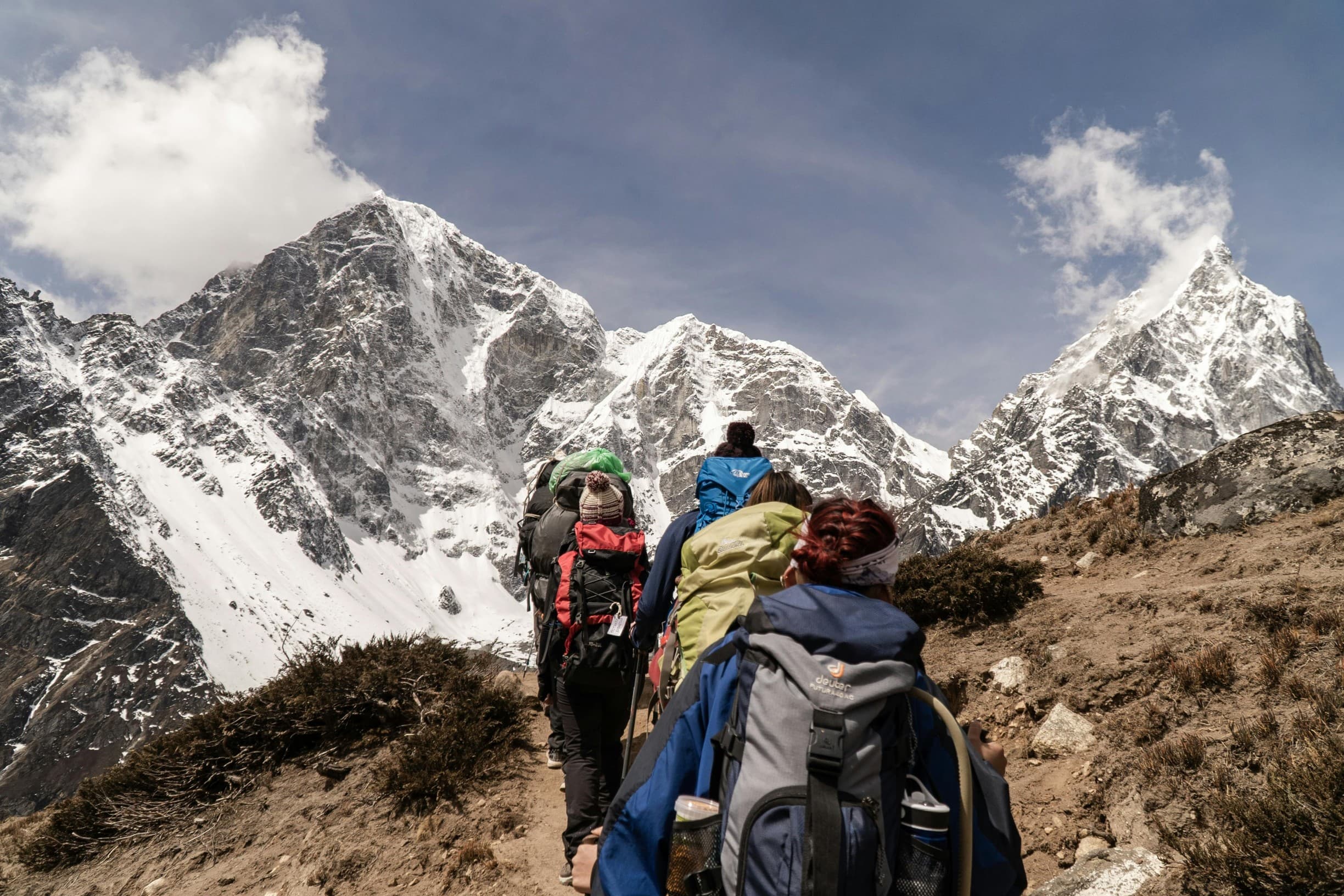
Preparing for a Nepal Trek: Fitness & Training
Nepal Trek Preparation Guide: How to Train, Build Stamina & Get Trail-Ready for the Himalayas
May 18, 2026